Abstract
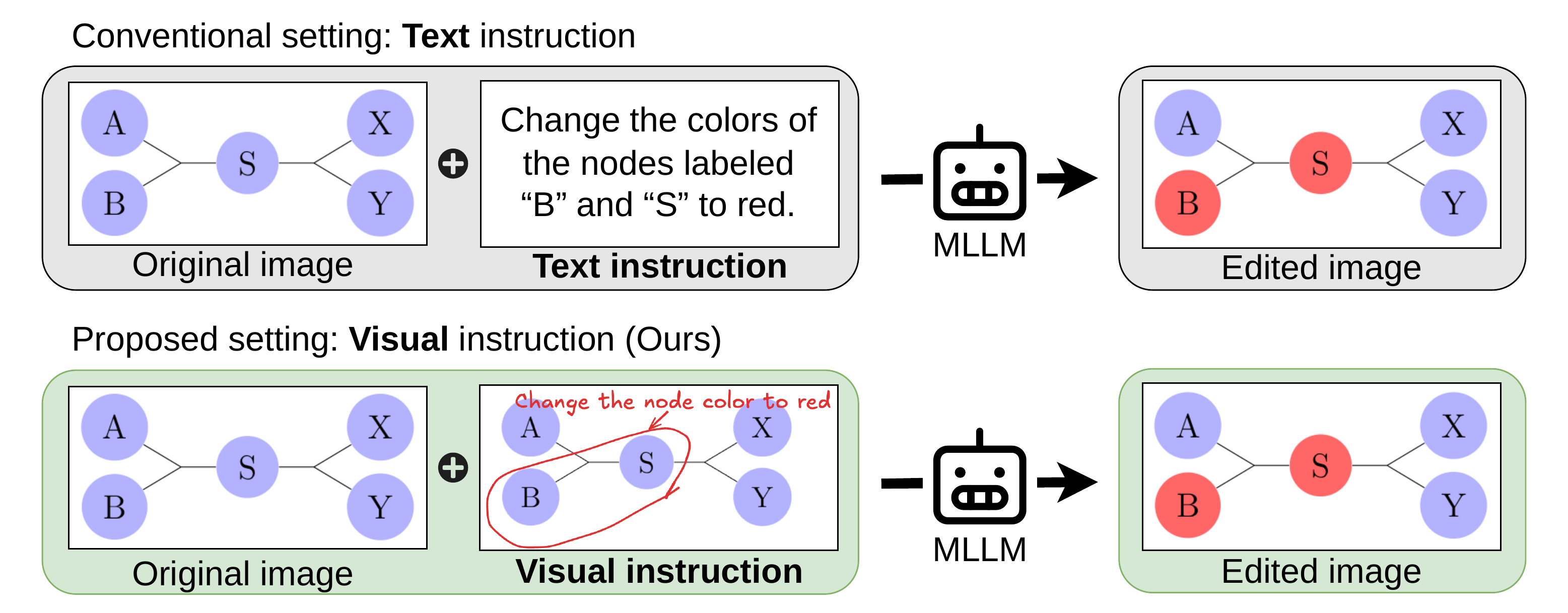
We introduce a new task and benchmark dataset, VisEditBench, for understanding visual instructions in vector-format diagram editing. While recent advances have made progress in generating vector graphics from text or images, editing such diagrams remains relatively underexplored. Moreover, existing approaches predominantly rely on textual instructions, which are often unintuitive for specifying edits in structured visual content, particularly when users need to identify specific elements or indicate their spatial positions in a diagram. We propose visual instructions as a more intuitive interface for diagram editing, and construct a dataset of 694 samples with human-curated annotations overlaid on TikZ diagrams. The dataset covers multiple edit types as well as instructions with multiple editing operations. We evaluate 32 recent state-of-the-art multimodal models and observe consistent performance degradation for edits involving global layout or diagram structure, compared to local operations such as element deletion or modification. Furthermore, instructions that include multiple editing operations tend to result in lower performance than single-edit cases. Even recent models struggle to achieve consistently accurate edits, highlighting the inherent difficulty of the task. VisEditBench provides a valuable benchmark for advancing research on visually grounded diagram editing and structured visual understanding.
Task: Diagram Editing with Visual Instructions
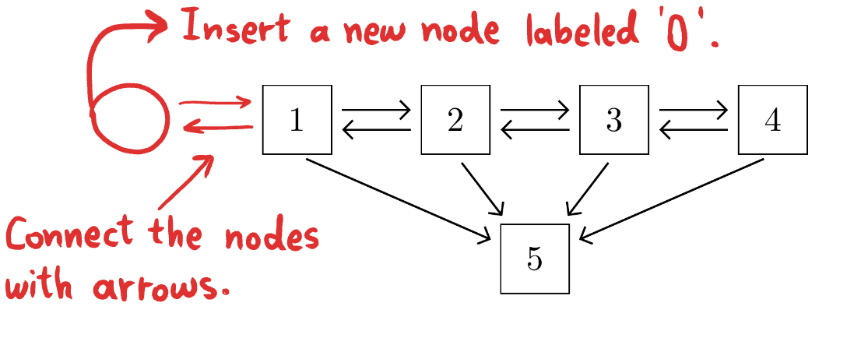
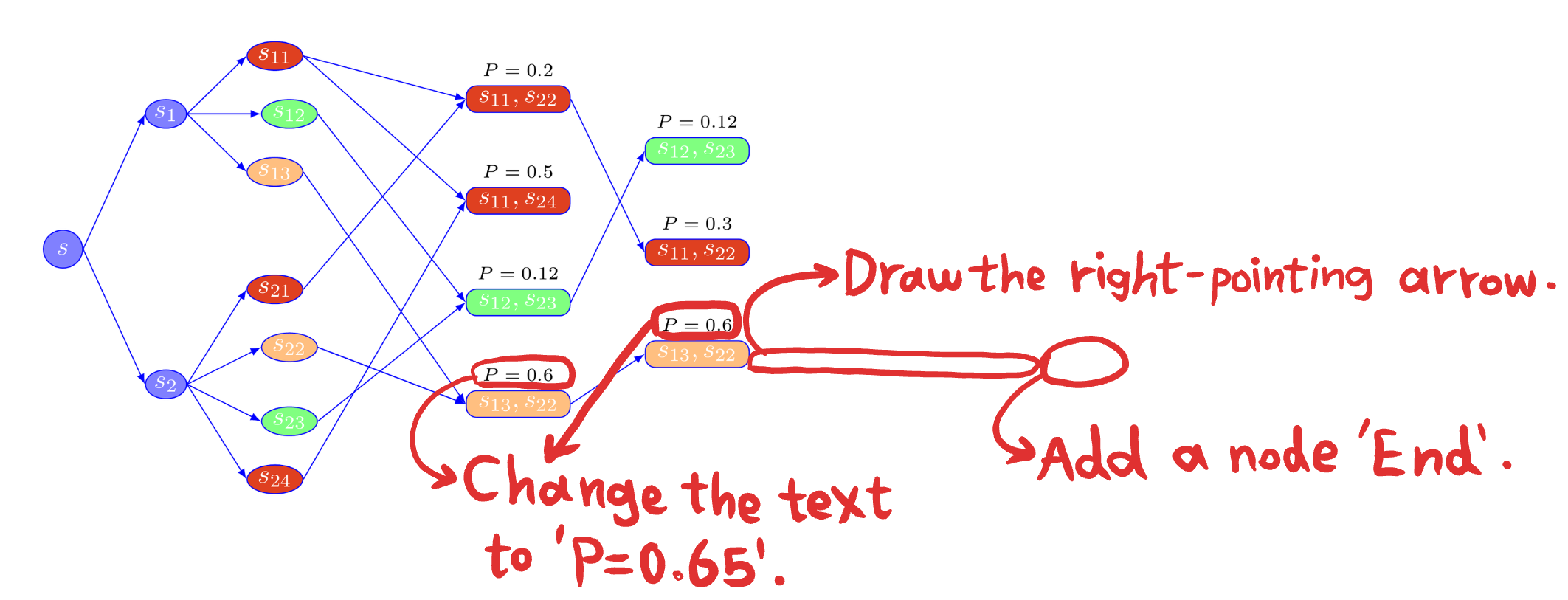
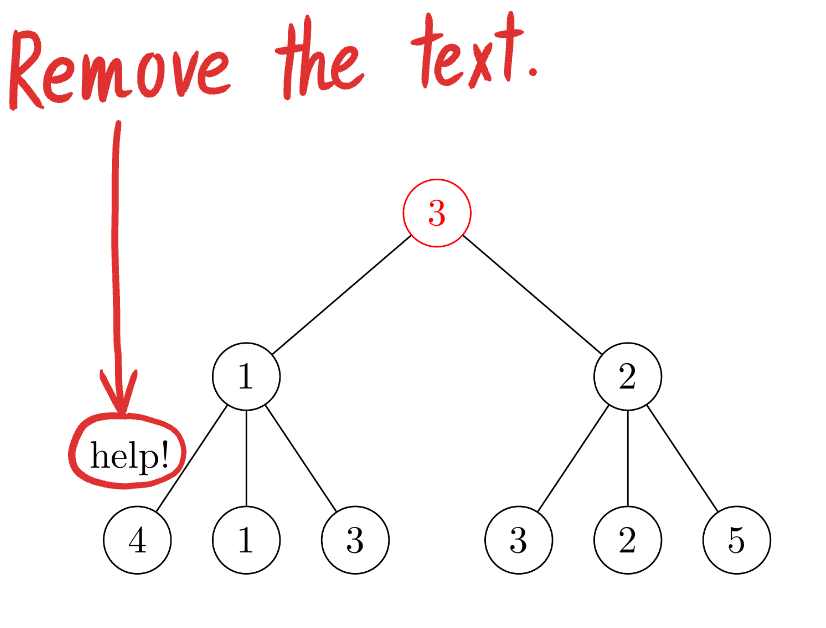
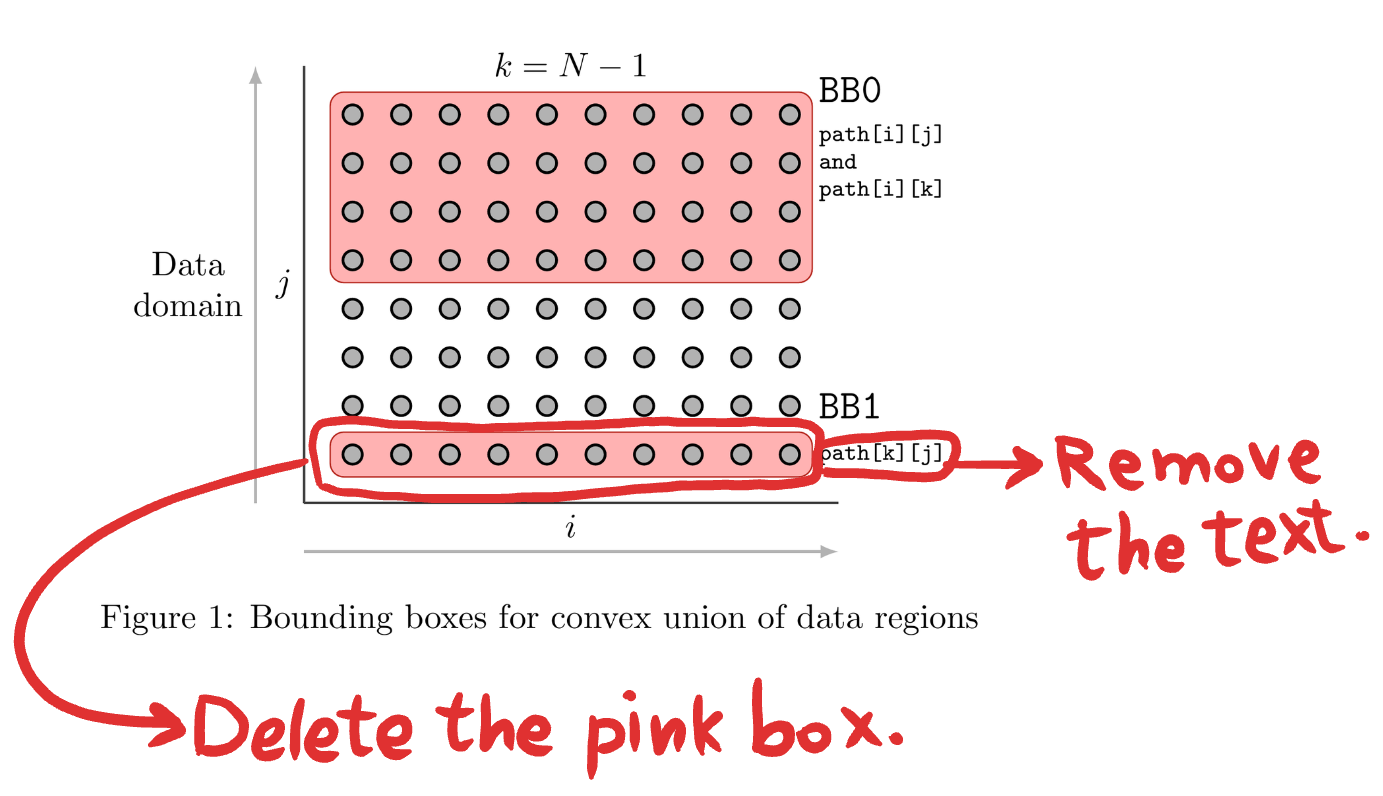
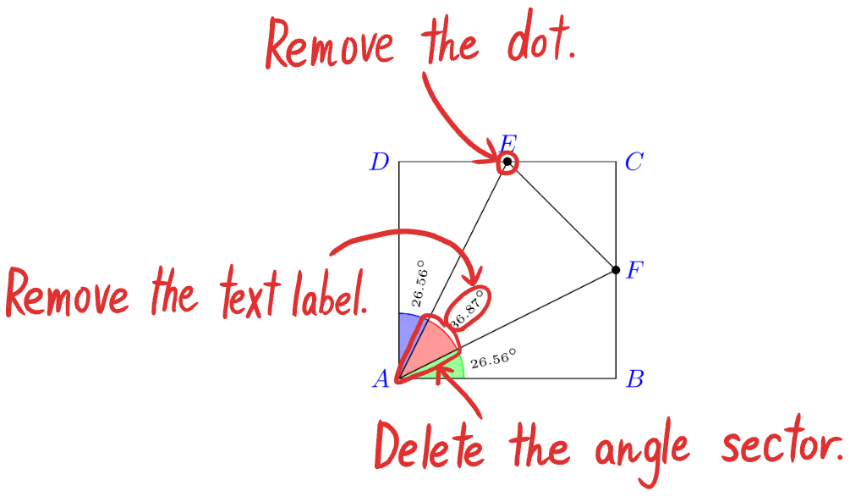
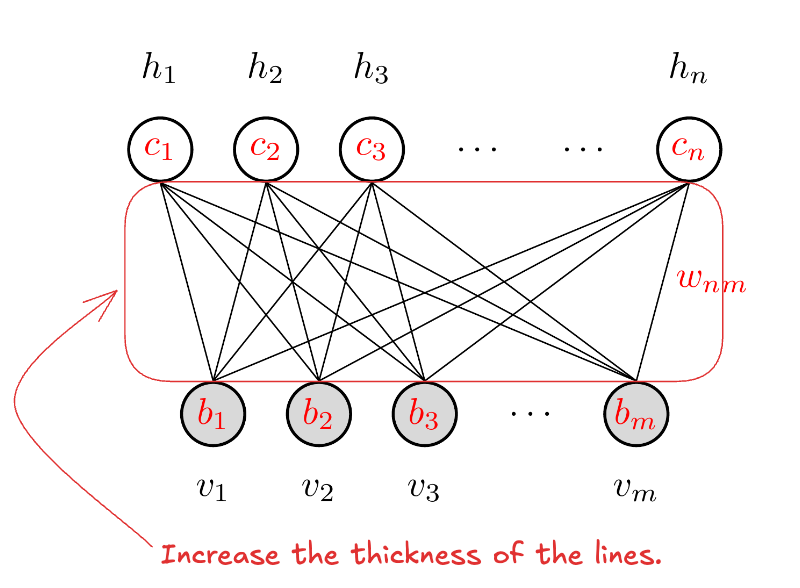
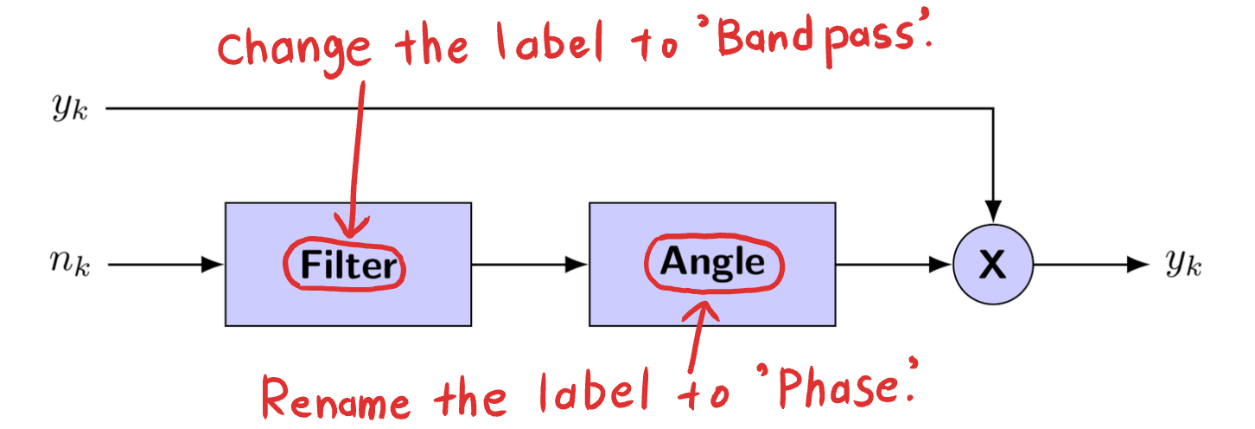
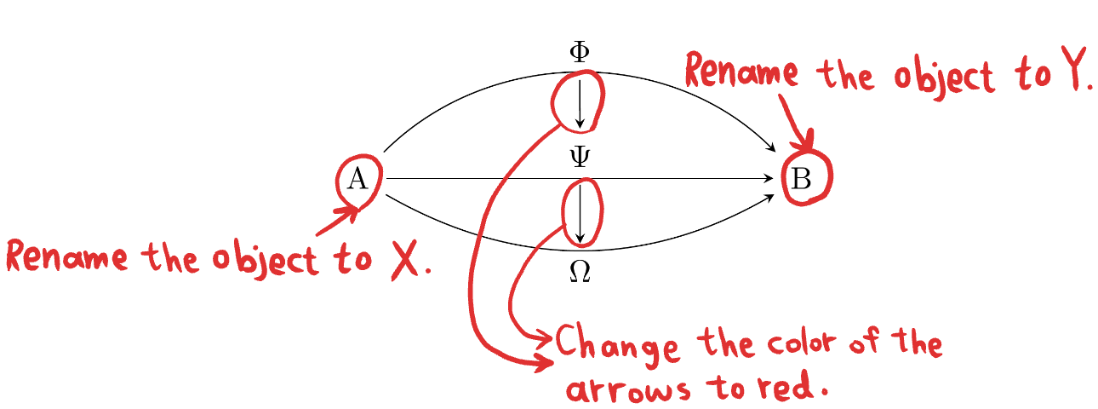
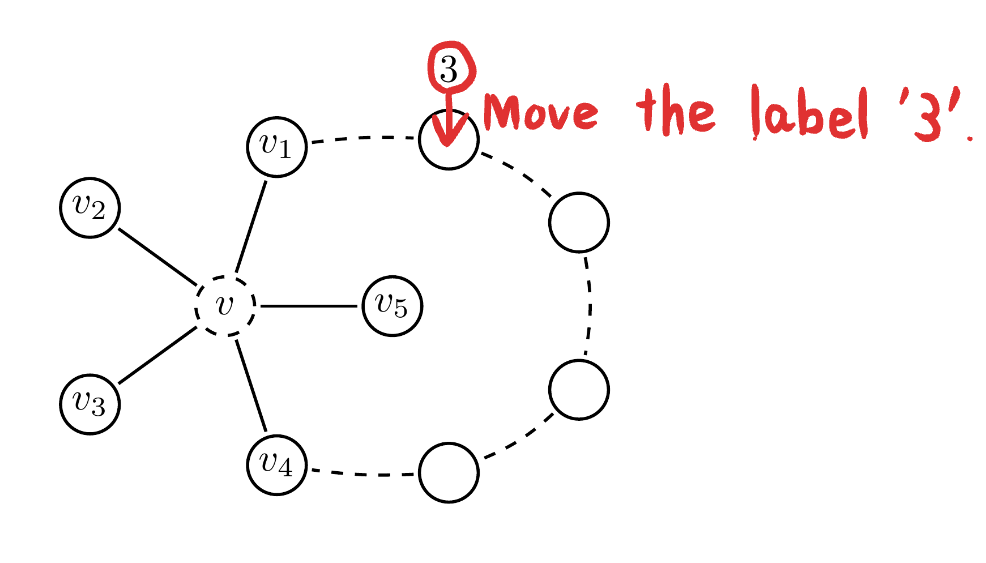
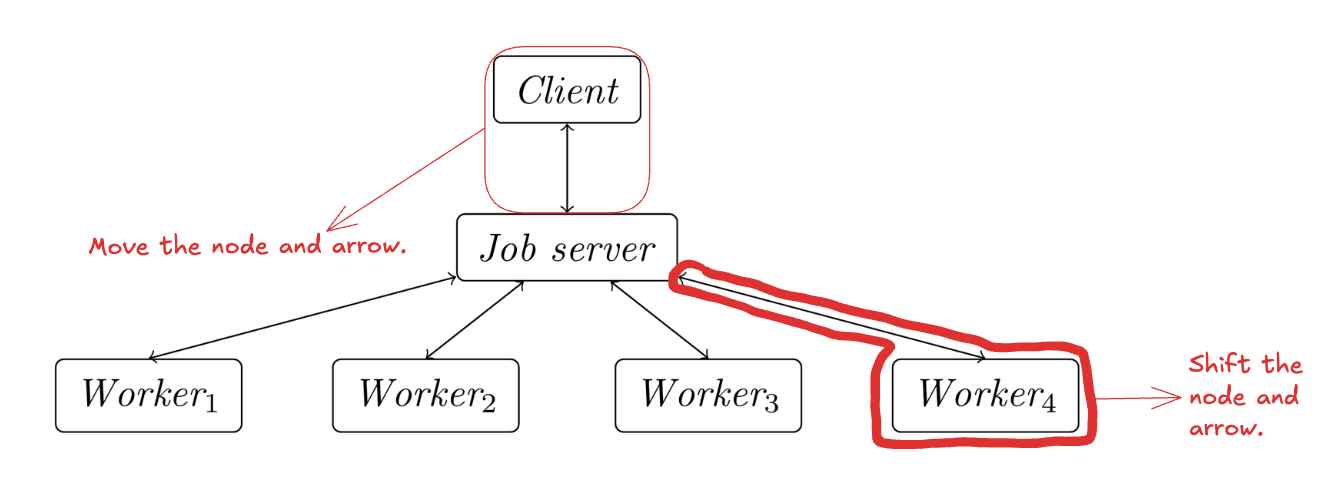
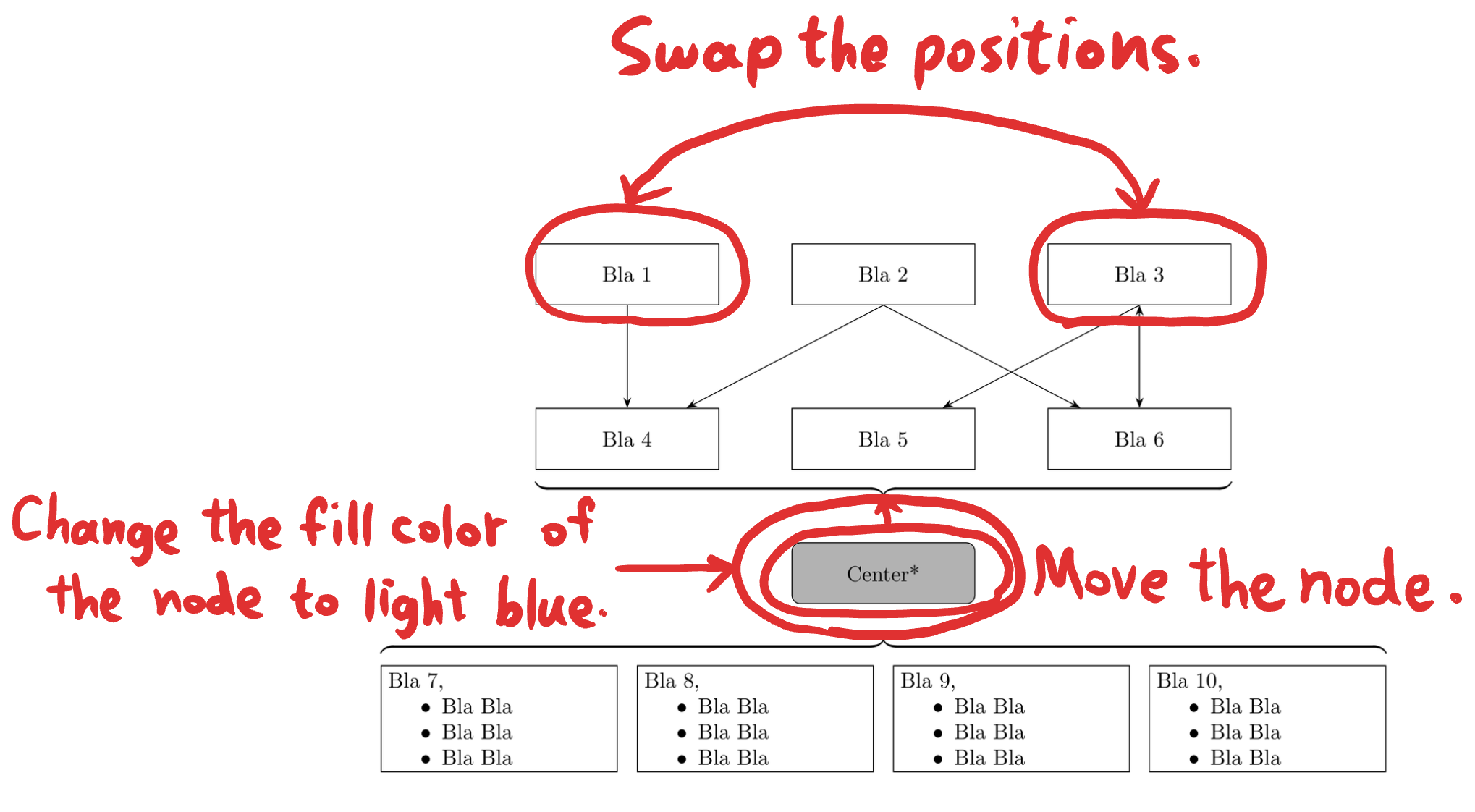
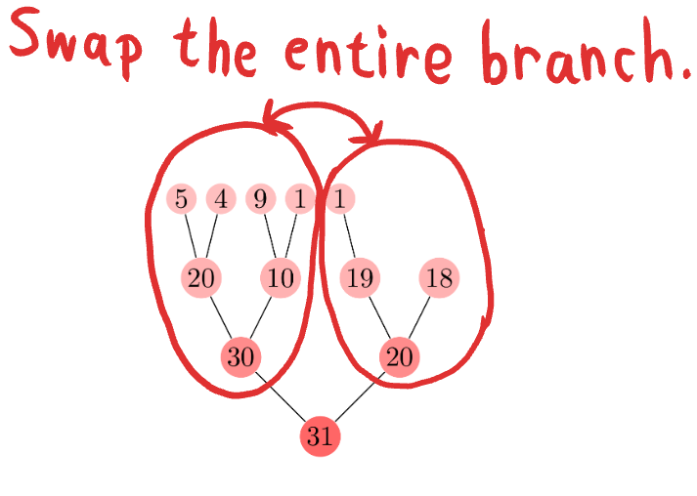
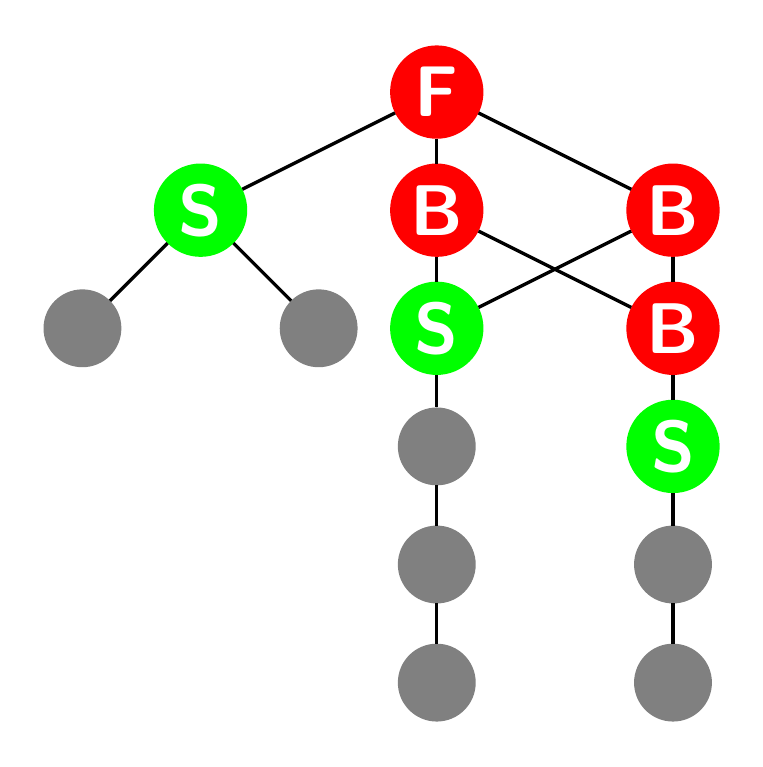
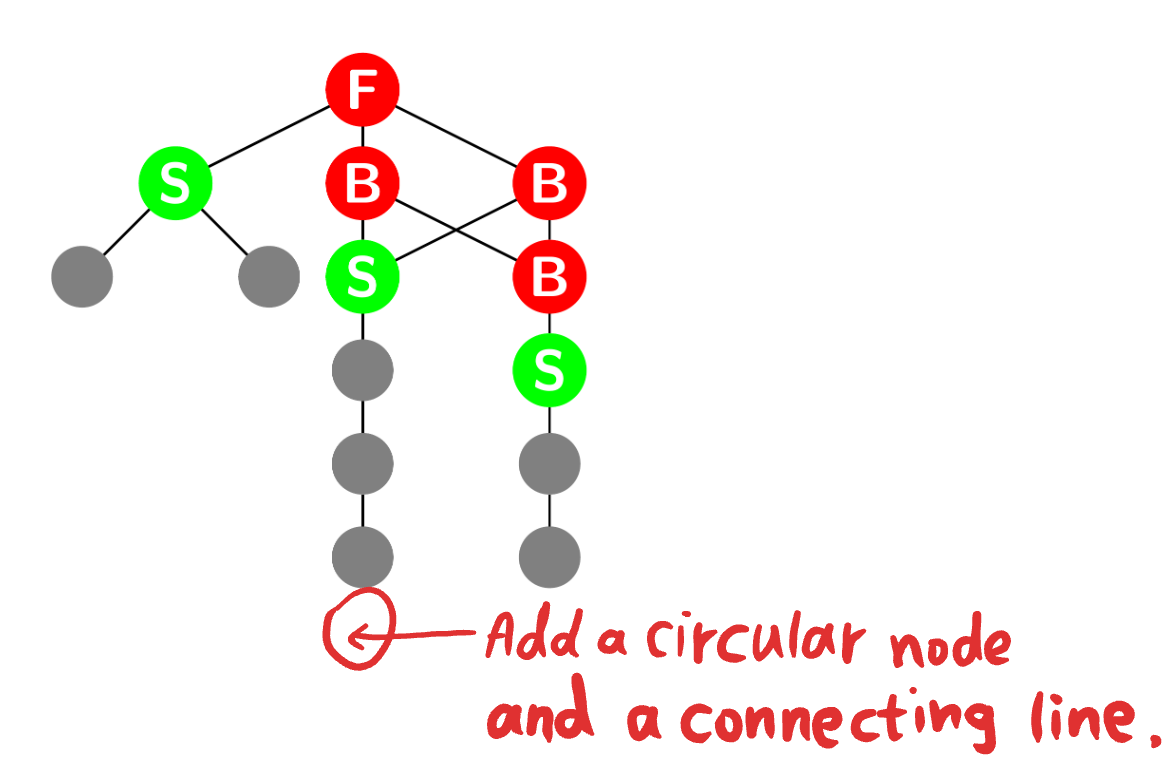
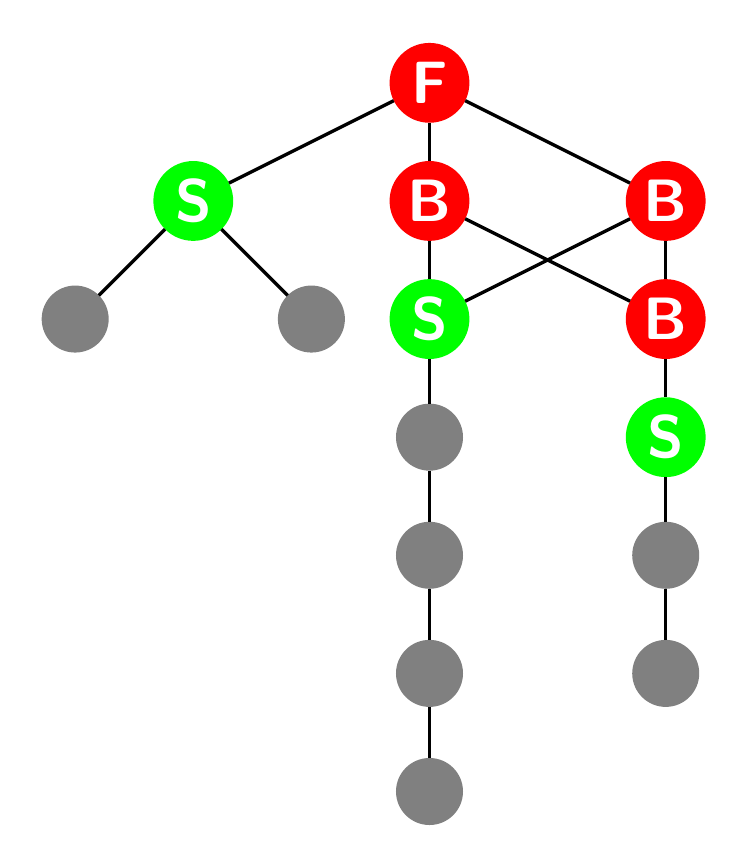
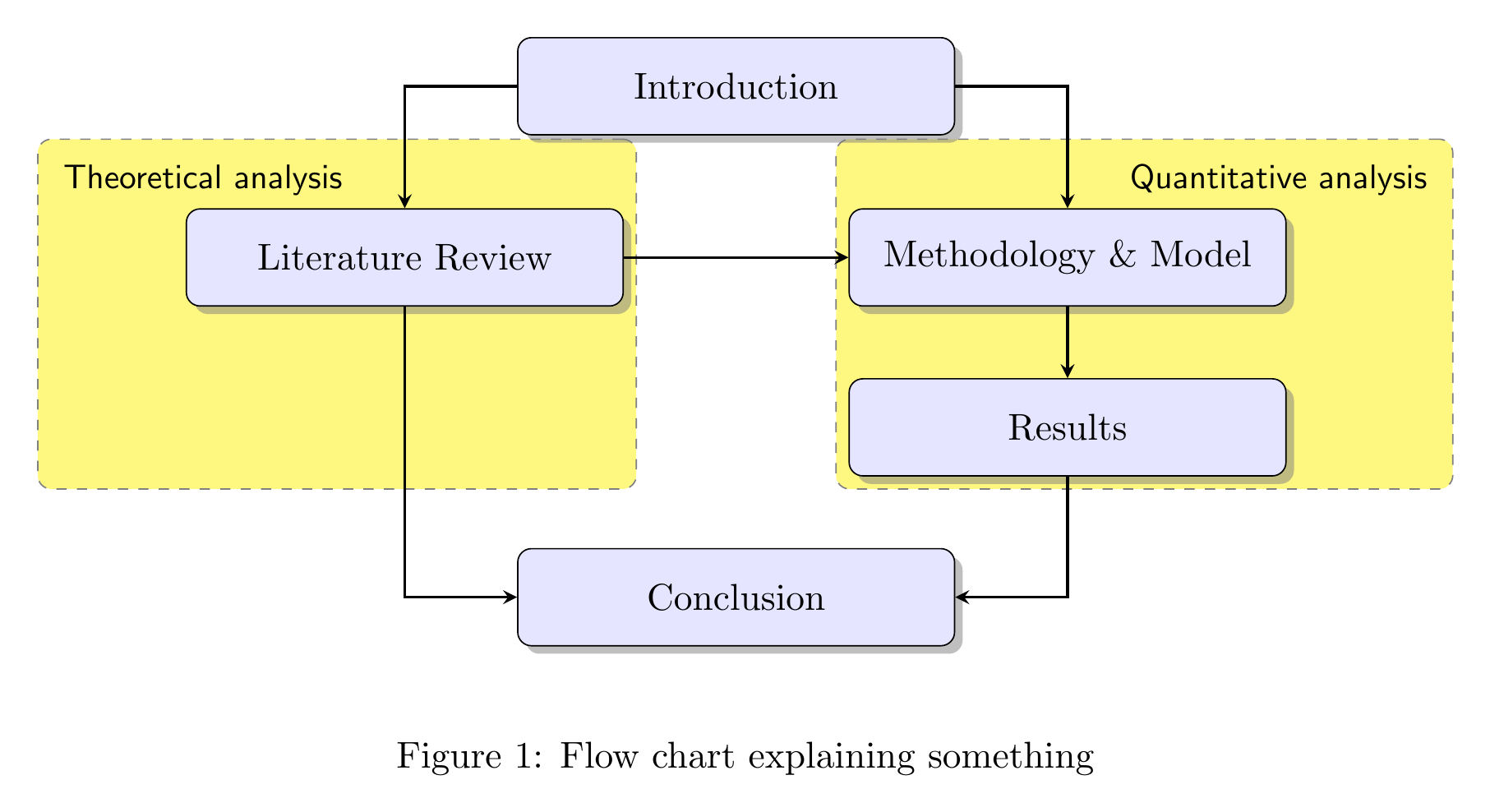
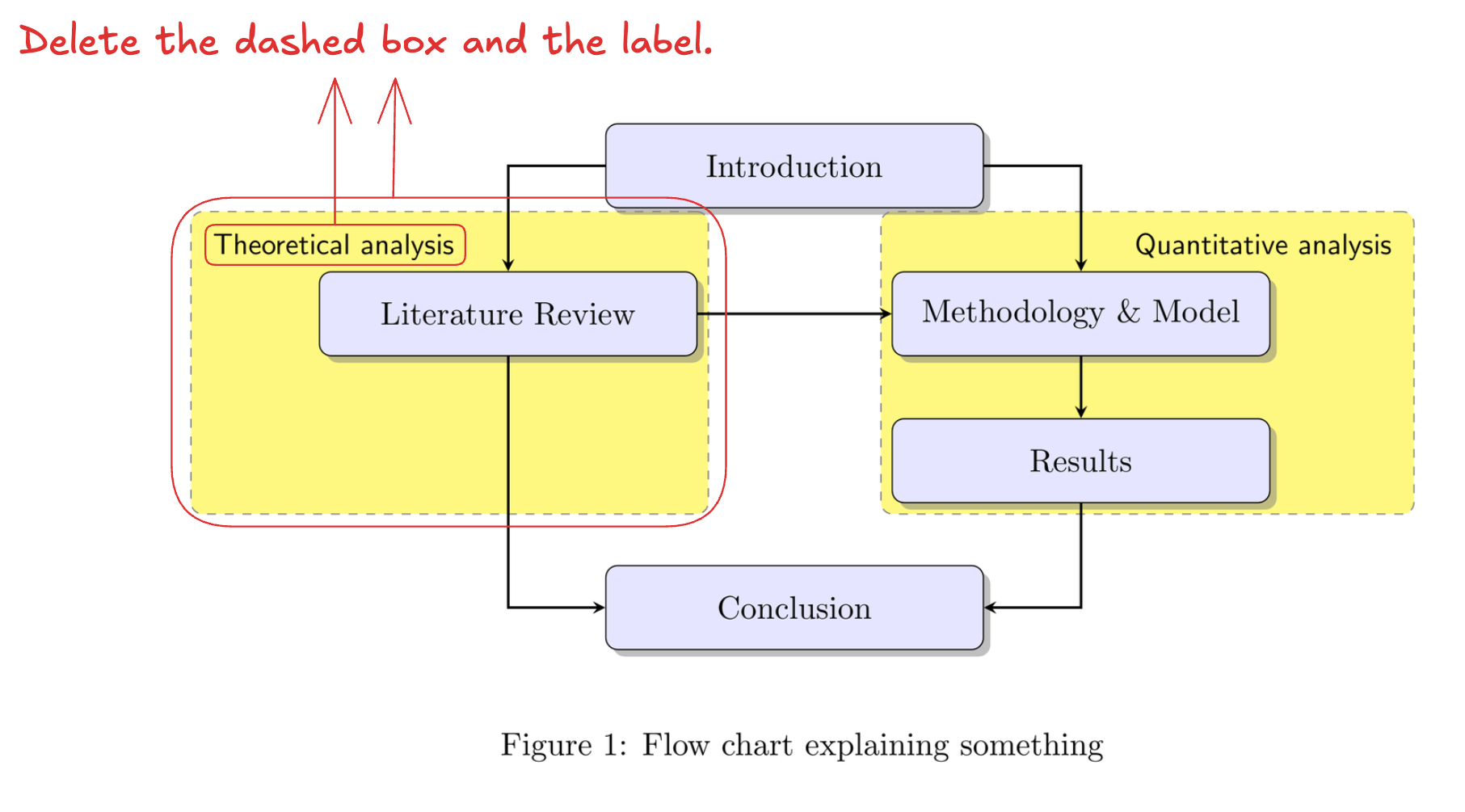
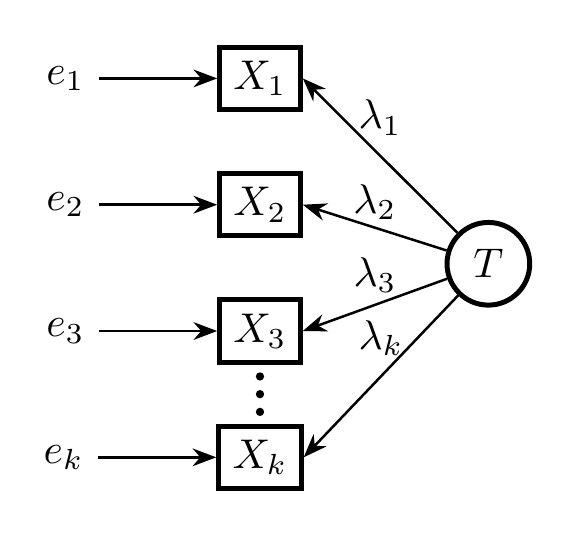
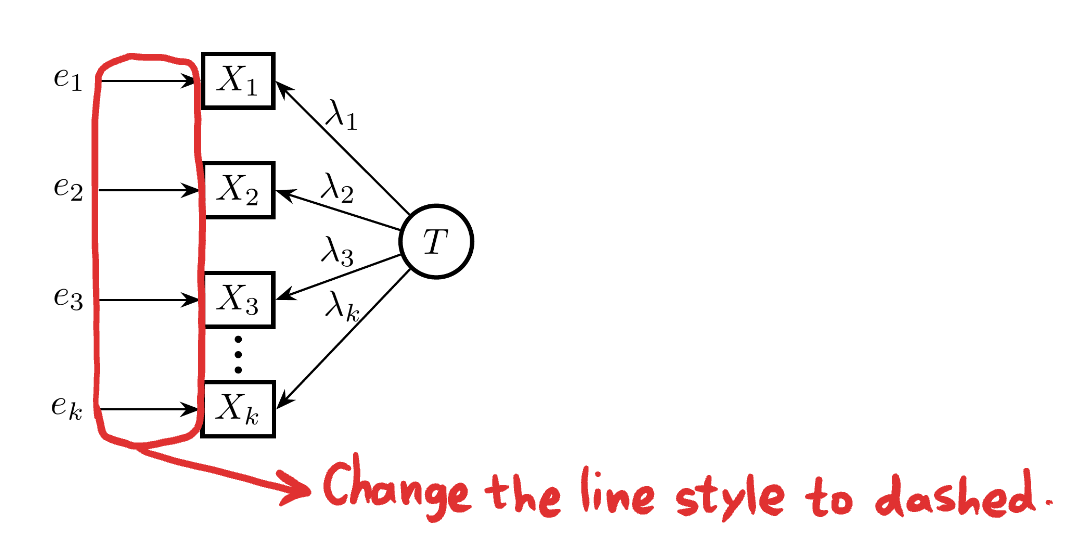
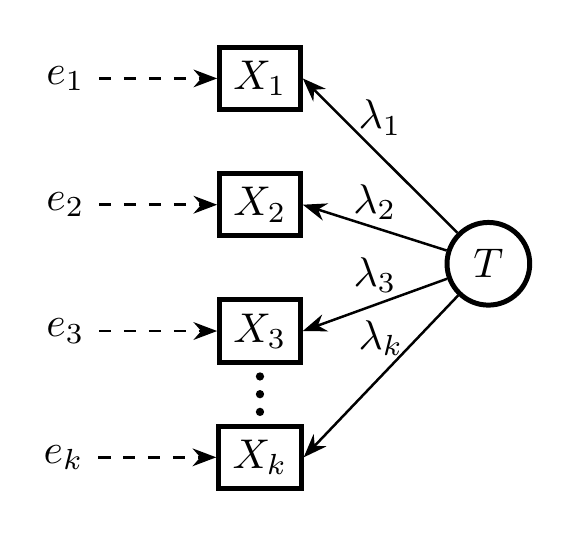
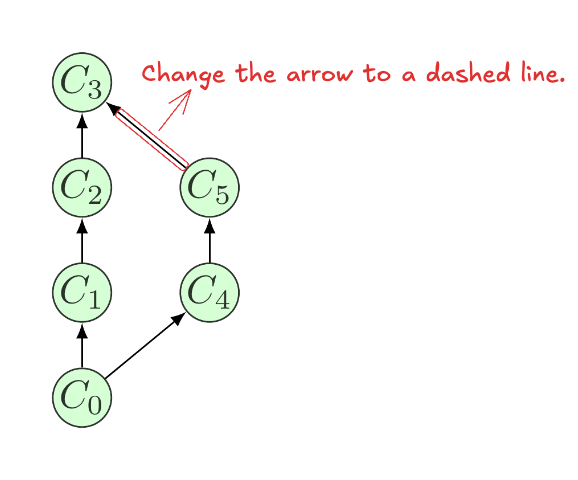
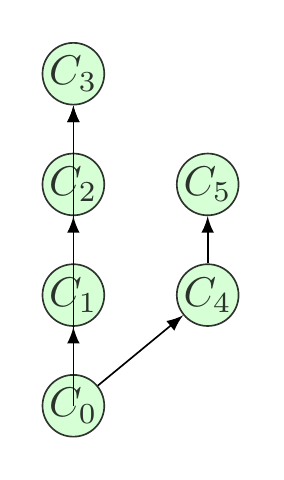
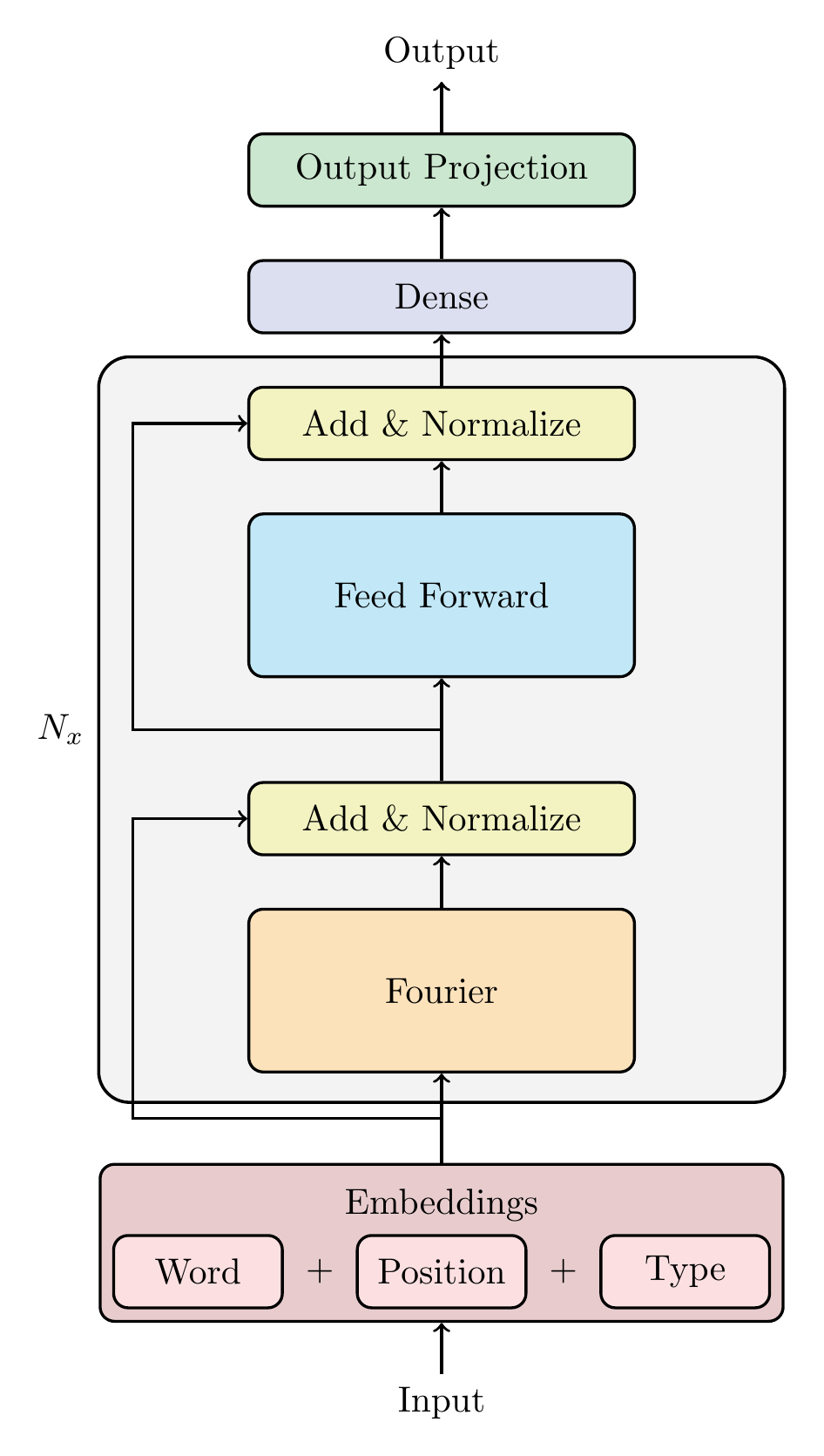
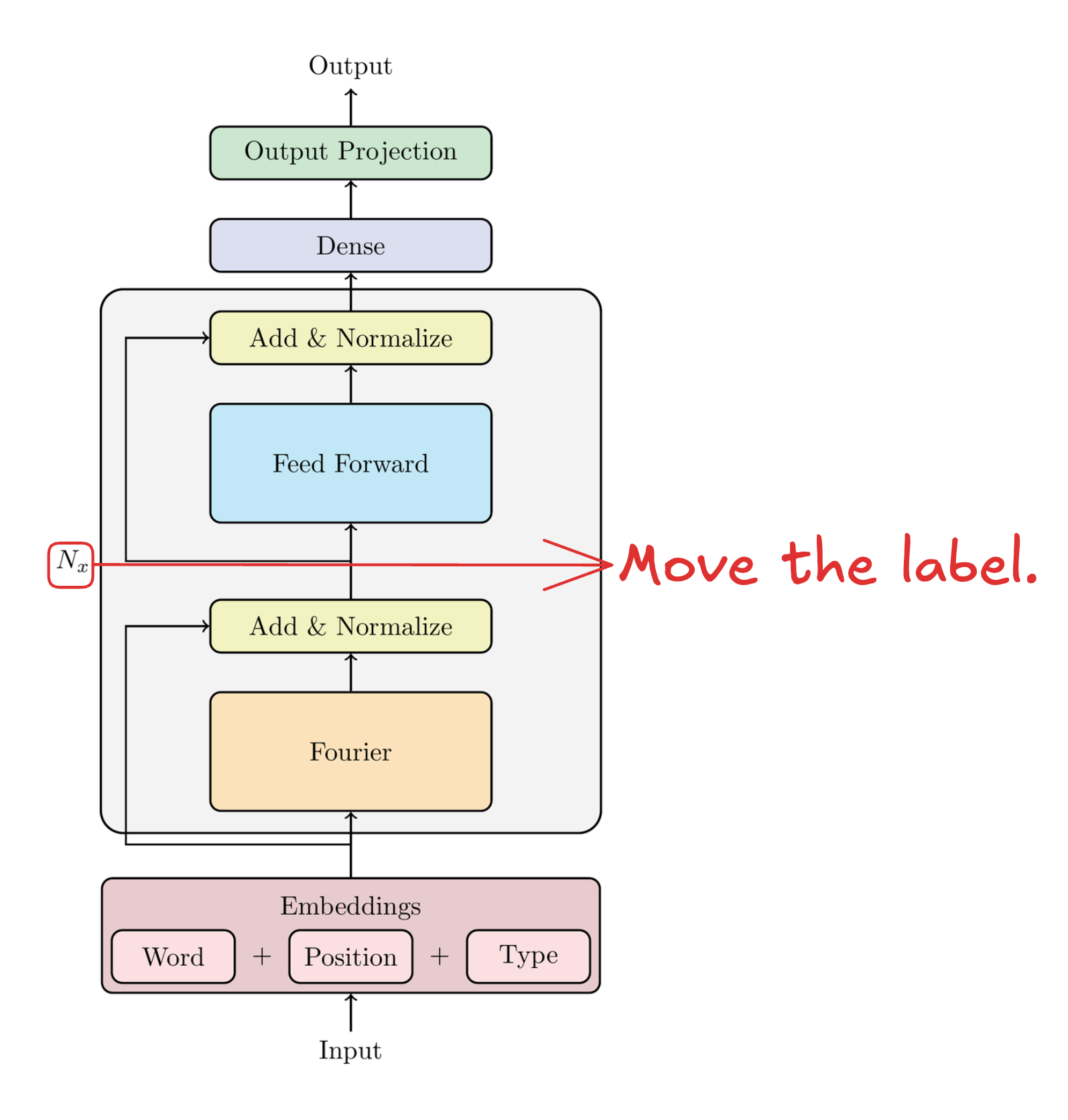
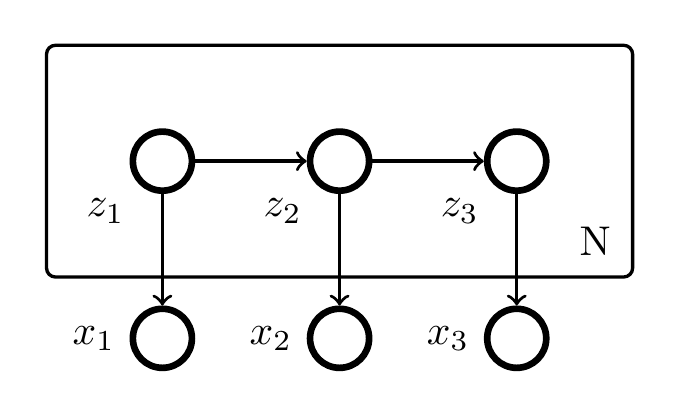
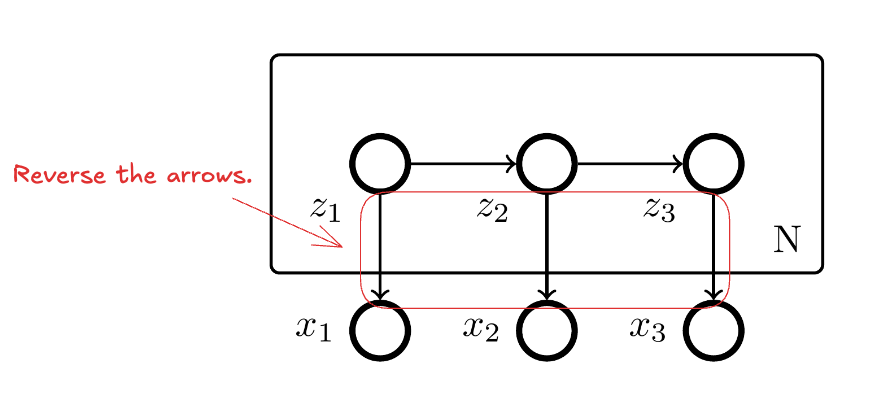
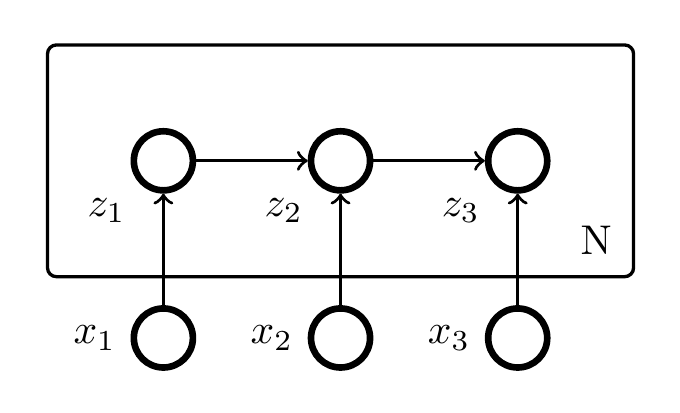
Given an original diagram image Dorig, its TikZ code Corig, and a visual instruction image Ivis that overlays annotations such as arrows, sketches, and handwritten notes on Dorig, the model must produce modified TikZ code Cedit whose rendered diagram Dedit faithfully reflects the intended edits.
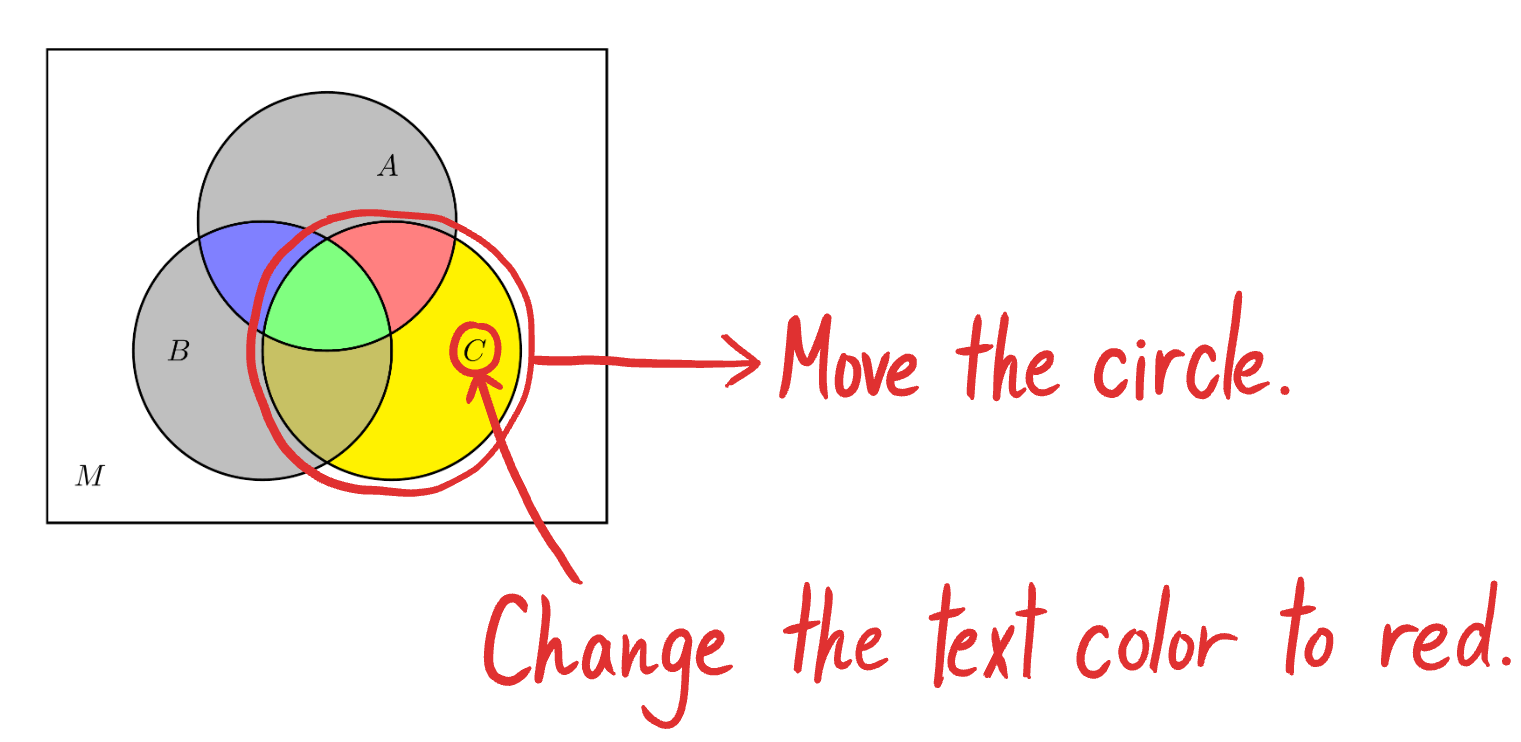
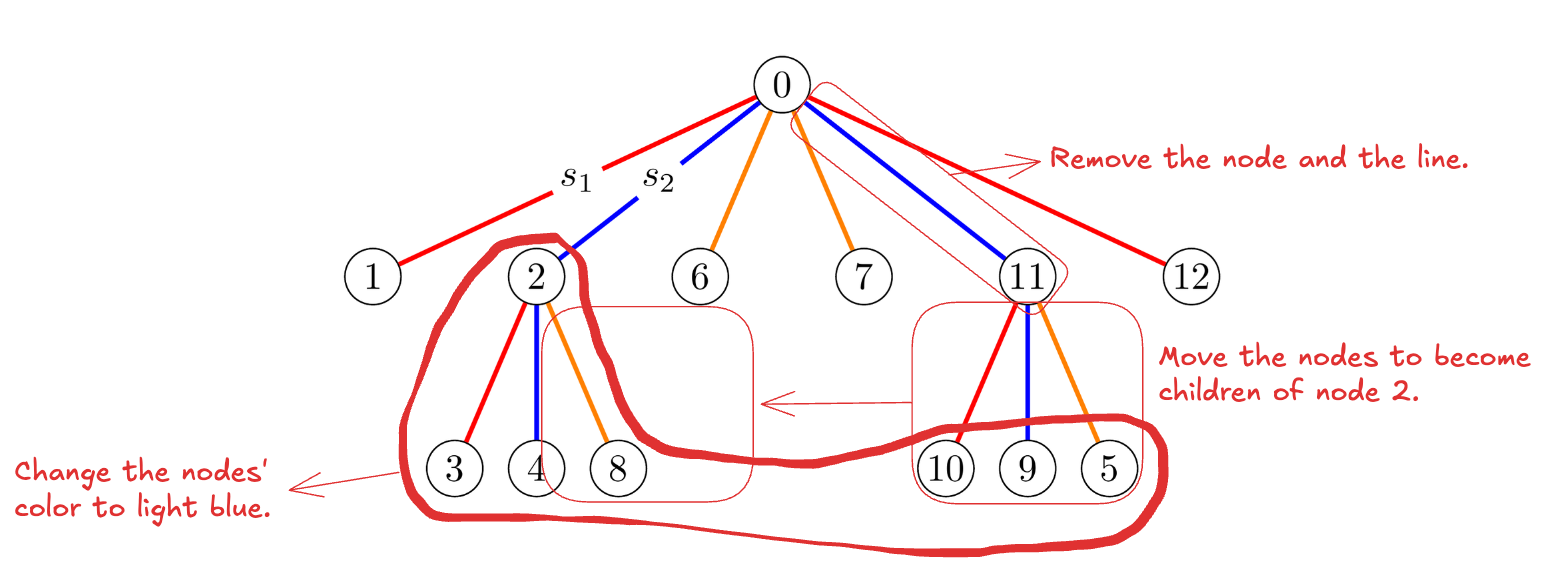
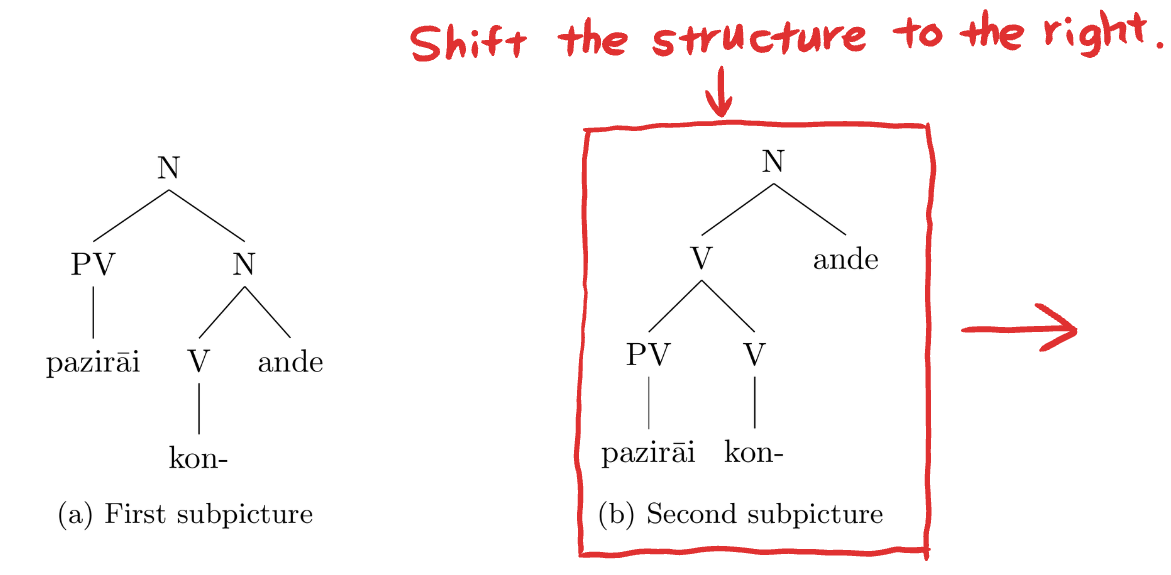
Visual instructions let users point at the exact element to change, or sketch where it should go, without writing a long description. To follow them, a model has to work out which element is targeted, what spatial relationship is intended, and where that element lives in the source code.
- Original diagram image Dorig
- Original TikZ code Corig
- Visual instruction image Ivis
- Edited TikZ code Cedit
- Rendered edited diagram Dedit
Dataset Construction
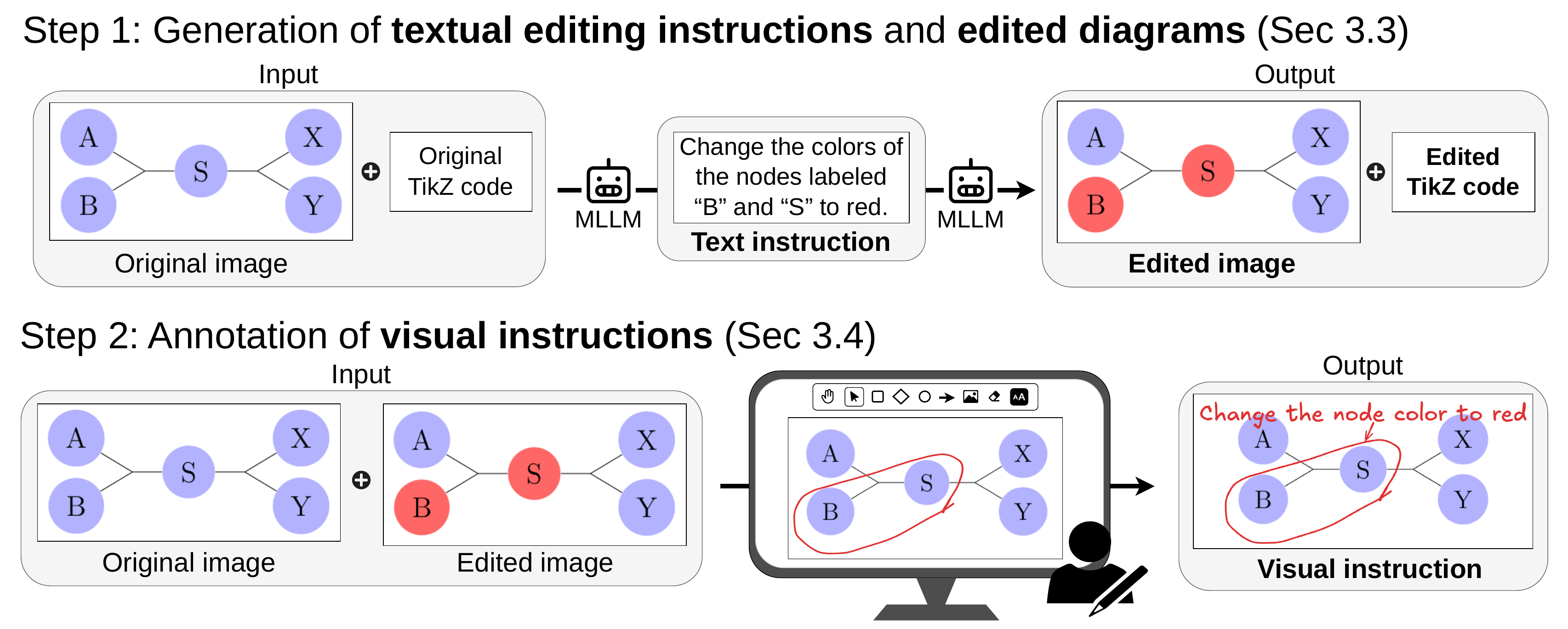
Real-world diagram editing data is rarely recorded, so we build VisEditBench from existing TikZ diagrams in the Stack Exchange subset of DaTikZ-v2.
- Step 1: textual instructions and edited diagrams. Gemini 3 Pro Preview generates a textual editing instruction for each diagram, given a target edit type and a required number of edit operations (1–3). Several proprietary LLMs (Gemini 3 Pro Preview, GPT-5.2, GPT-5-mini, and Claude Sonnet 4.5) then apply the instruction to the TikZ code with minimal changes. Annotators checked 2,819 generated examples, and 2,148 (76.2%) met all quality criteria.
- Step 2: visual instructions. Annotators look at each original/edited diagram pair and draw a visual instruction on the original diagram in Excalidraw, either freehand (pen) or with built-in shapes (tool). The final dataset contains 694 triplets (Dorig, Ivis, Dedit), annotated by 18 annotators.
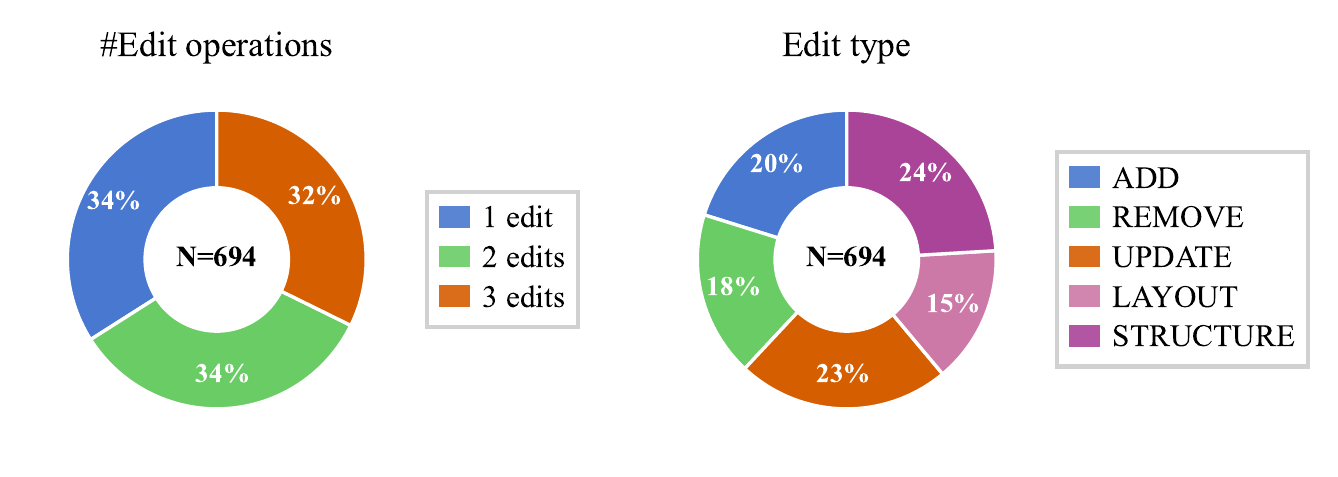
| Edit type | Scope | # |
|---|---|---|
| ADD | Local | 140 |
| REMOVE | Local | 124 |
| UPDATE | Local | 160 |
| LAYOUT | Global | 103 |
| STRUCTURE | Global | 167 |
| Total | 694 | |
UPDATE has ten fine-grained subtypes (e.g., text, line, and fill properties). 1 / 2 / 3 edit operations: 236 / 234 / 224 samples. Pen / tool annotations: 406 / 288 samples.
Visual Instruction Examples
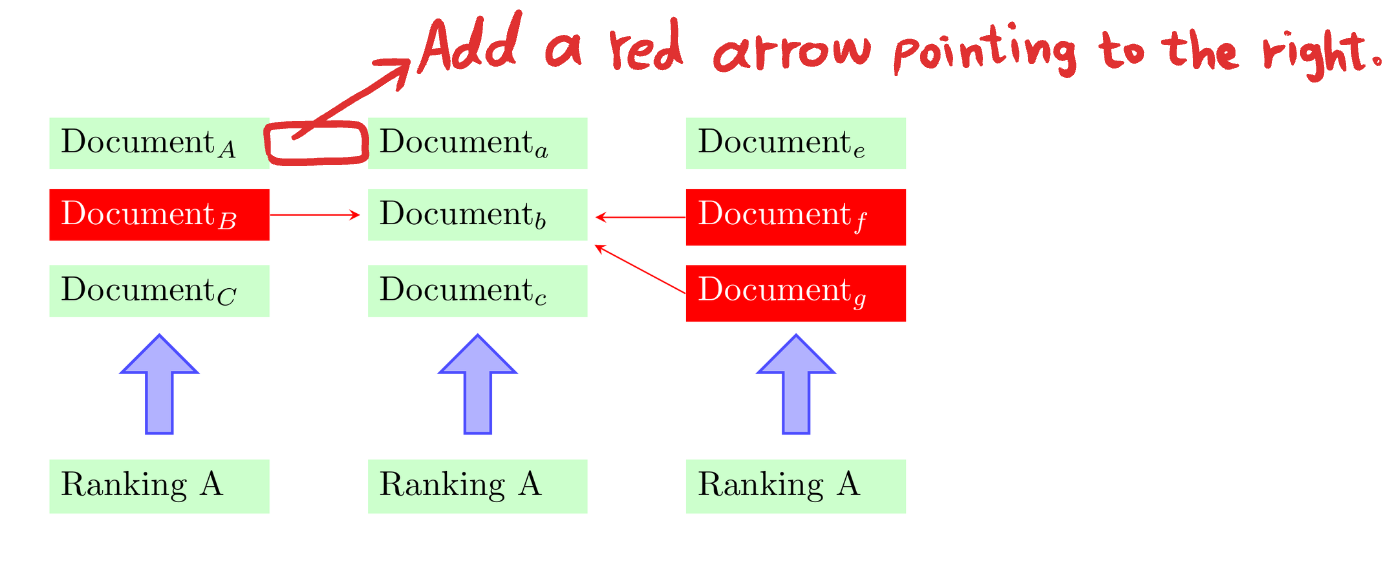
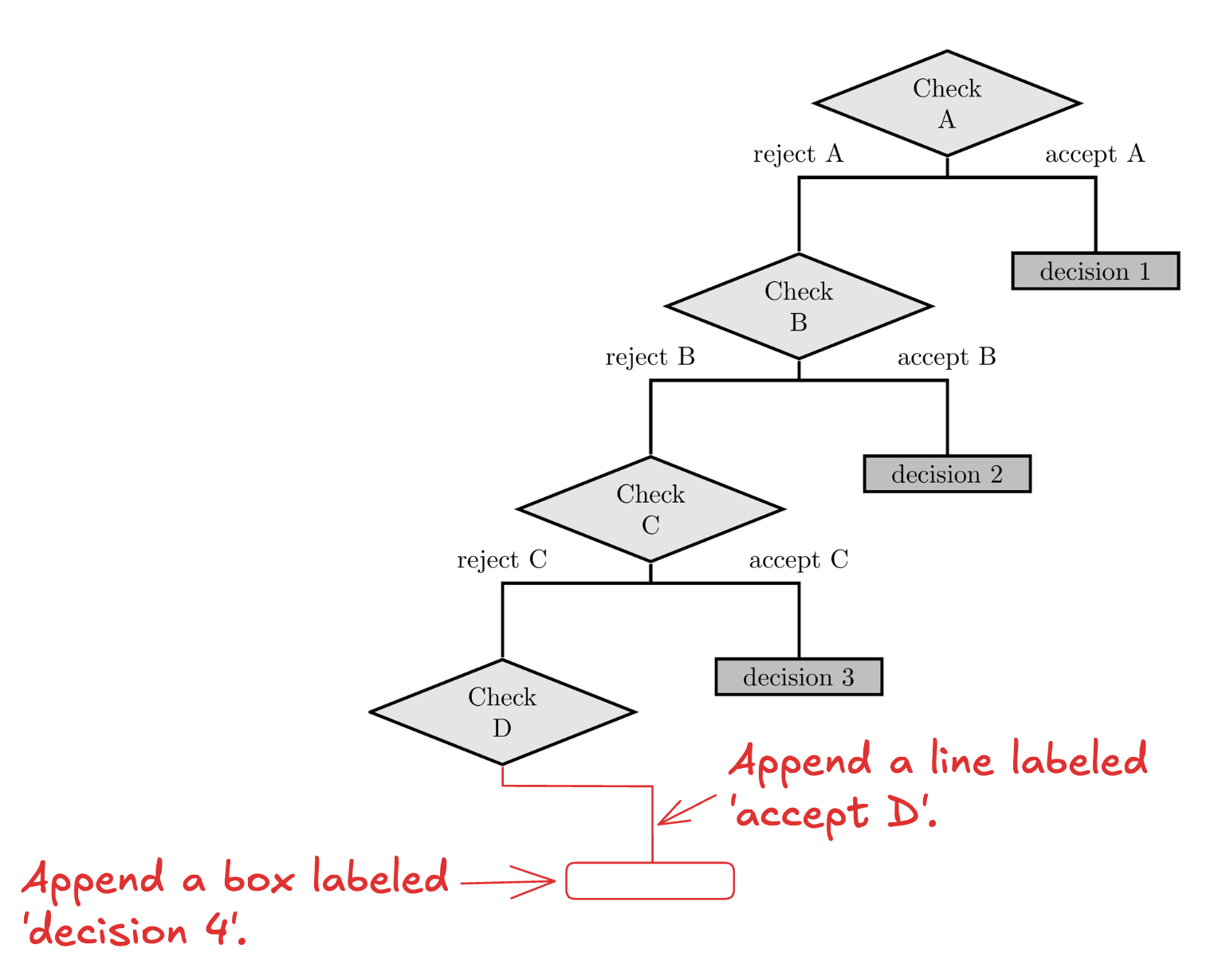
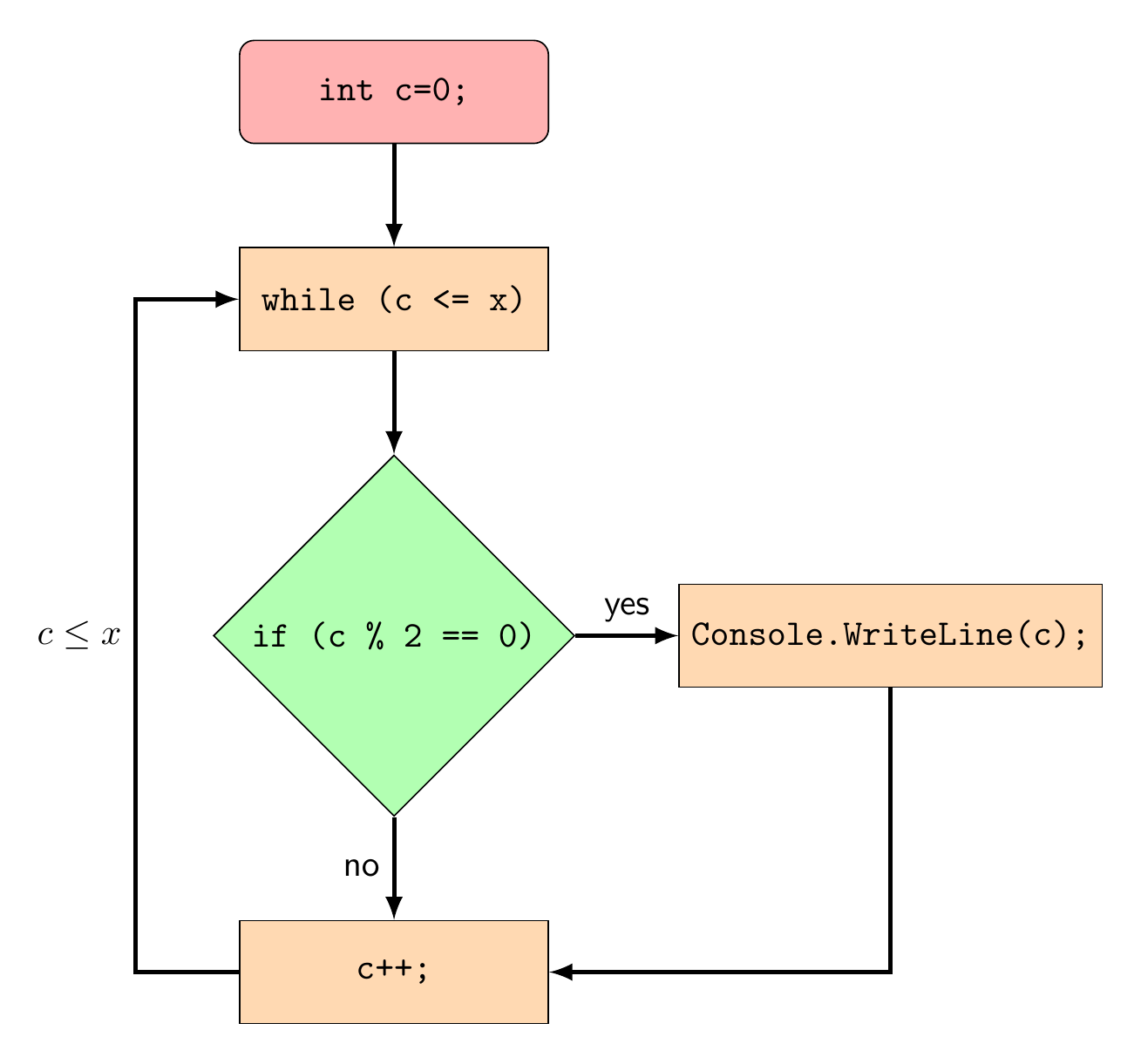
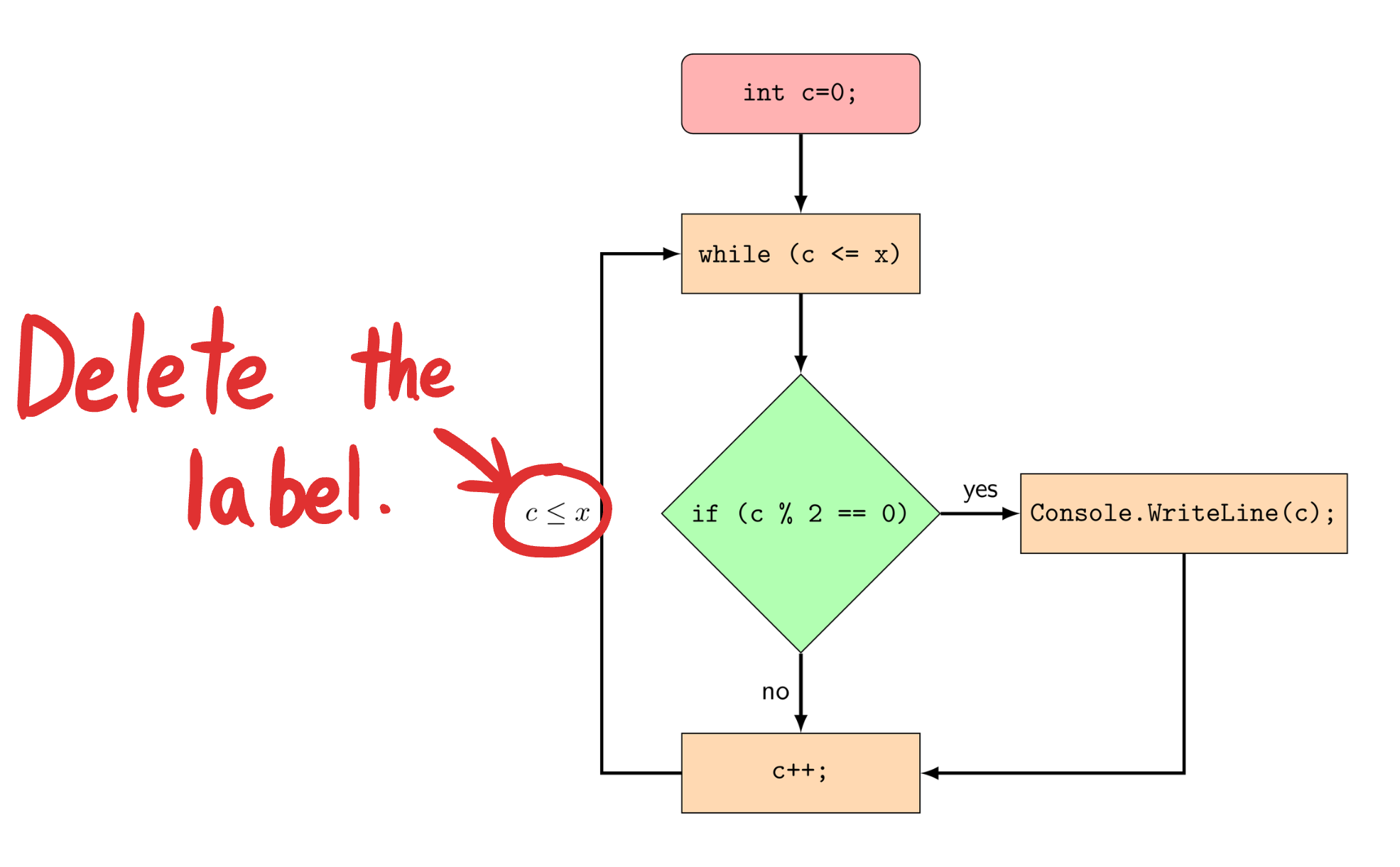
Examples of visual instructions for each edit type, with one to three edit operations per instruction.
Evaluation
The final visual result matters most, so image-level evaluation is the primary measure and code-level evaluation is supplementary. Each image-level aspect is rated on a 5-point scale; if compilation fails, all three aspects get the minimum score of 1.
Image-level primary
- IA — Instruction Adherence
- How well the edited diagram follows the instruction.
- CP — Content Preservation
- Whether it avoids unintended changes beyond the instruction.
- DR — Diagram Readability
- Whether it stays readable, e.g., no overlapping elements or text.
- FSR — Full-score Rate
- Share of samples that score 5 on all of IA, CP, and DR.
Code-level supplementary
- CFR — Compile Failure Rate
- Share of generated code that fails to render.
- IA / CP — on code
- Instruction adherence and content preservation, judged from the diff of Corig, Cedit, and Cgen.
- OES — Overall Edit Score
- A holistic score combining code-level IA and CP.
MLLM-as-a-judge agrees with humans. Five Amazon Mechanical Turk workers rated each of 300 sampled outputs. Among the candidate judges, Gemini 3.1 Pro agreed most closely with human scores (Spearman's ρ = 0.843 / 0.813 / 0.793 for IA / CP / DR), so it serves as the judge for all main results. Inter-annotator agreement (Krippendorff's α) was 0.80, 0.67, and 0.65 for IA, CP, and DR, respectively.
Main Results
Results for 29 code-editing models on VisEditBench, judged by Gemini 3.1 Pro. Click a column header to sort. best overall best open-source
| Image-level | Code-level | |||||||
|---|---|---|---|---|---|---|---|---|
| Model | IA ↑ | CP ↑ | DR ↑ | FSR ↑ | CFR ↓ | IA ↑ | CP ↑ | OES ↑ |
| Closed-source models | ||||||||
| GPT-5.4 | 4.329 | 4.036 | 4.542 | 47.26 | 0.72 | 3.751 | 3.679 | 3.390 |
| GPT-5.4-mini | 3.063 | 3.362 | 4.241 | 18.16 | 1.73 | 2.575 | 3.059 | 2.298 |
| GPT-5.4-nano | 1.856 | 2.977 | 3.915 | 4.611 | 3.17 | 1.579 | 2.767 | 1.439 |
| Gemini 3.1 Pro Preview | 4.945 | 4.797 | 4.945 | 83.57 | 0.00 | 4.490 | 4.614 | 4.329 |
| Gemini 3 Flash Preview | 4.643 | 4.398 | 4.624 | 71.76 | 0.86 | 4.347 | 4.133 | 3.984 |
| Gemini 3.1 Flash Lite Preview | 4.408 | 3.916 | 4.503 | 44.81 | 1.01 | 3.816 | 3.442 | 3.273 |
| Claude Opus 4.6 | 4.382 | 4.438 | 4.797 | 59.94 | 0.58 | 3.780 | 4.190 | 3.638 |
| Claude Sonnet 4.5 | 4.176 | 4.105 | 4.731 | 42.36 | 0.58 | 3.516 | 3.834 | 3.280 |
| Claude Haiku 4.5 | 3.219 | 3.617 | 4.318 | 25.22 | 2.16 | 2.895 | 3.526 | 2.686 |
| Open-source models | ||||||||
| Qwen3.5-4B | 2.532 | 2.641 | 3.318 | 12.25 | 9.22 | 2.141 | 2.349 | 1.859 |
| Qwen3.5-4B Thinking | 3.380 | 3.075 | 3.624 | 28.09 | 9.22 | 2.932 | 2.934 | 2.570 |
| Qwen3.5-9B | 2.713 | 2.763 | 3.555 | 14.12 | 7.78 | 2.248 | 2.514 | 1.941 |
| Qwen3.5-9B Thinking | 3.912 | 3.513 | 4.045 | 38.04 | 4.47 | 3.458 | 3.461 | 3.102 |
| Qwen3.5-35B-A3B | 3.630 | 3.653 | 4.324 | 31.12 | 1.15 | 3.020 | 3.405 | 2.742 |
| Qwen3.5-35B-A3B Thinking | 4.403 | 4.046 | 4.460 | 53.89 | 1.73 | 3.860 | 3.847 | 3.503 |
| Qwen3.5-397B-A17B | 3.829 | 4.195 | 4.591 | 38.04 | 0.87 | 3.333 | 4.039 | 3.159 |
| Qwen3.5-397B-A17B Thinking | 4.679 | 4.451 | 4.725 | 66.28 | 0.72 | 4.140 | 4.206 | 3.892 |
| Qwen3-VL-4B-Instruct | 2.468 | 3.732 | 4.389 | 12.82 | 3.03 | 2.078 | 3.625 | 1.977 |
| Qwen3-VL-4B-Thinking | 3.673 | 3.406 | 4.033 | 29.97 | 4.03 | 3.102 | 3.305 | 2.805 |
| Qwen3-VL-8B-Instruct | 2.918 | 3.656 | 4.422 | 17.86 | 2.16 | 2.416 | 3.409 | 2.284 |
| Qwen3-VL-8B-Thinking | 3.690 | 3.406 | 4.076 | 30.84 | 2.16 | 3.235 | 3.375 | 2.924 |
| Qwen3-VL-30B-A3B-Instruct | 2.660 | 4.251 | 4.586 | 18.73 | 1.44 | 2.304 | 4.075 | 2.258 |
| Qwen3-VL-30B-A3B-Thinking | 4.105 | 3.867 | 4.441 | 42.07 | 1.44 | 3.481 | 3.722 | 3.220 |
| Qwen3-VL-235B-A22B-Instruct | 3.824 | 4.023 | 4.558 | 36.02 | 2.31 | 3.282 | 3.829 | 3.086 |
| Qwen3-VL-235B-A22B-Thinking | 3.572 | 3.414 | 3.925 | 35.73 | 1.59 | 3.615 | 3.595 | 3.203 |
| Gemma-4-E4B-IT | 2.545 | 2.421 | 3.344 | 6.05 | 4.90 | 2.058 | 2.186 | 1.637 |
| Gemma-4-31B-IT | 3.976 | 4.039 | 4.389 | 43.52 | 1.59 | 3.627 | 3.854 | 3.352 |
| GLM-4.5V | 3.875 | 3.710 | 4.290 | 38.33 | 3.75 | 3.336 | 3.553 | 3.078 |
| GLM-4.6V | 3.951 | 3.973 | 4.477 | 40.49 | 1.59 | 3.352 | 3.733 | 3.143 |
- The task is hard even for frontier models. Gemini 3.1 Pro leads with 83.6 FSR, but GPT-5.4 (47.3) and Claude Opus 4.6 (59.9) leave substantial room for improvement.
- Performance drops sharply with model size across the GPT, Claude, and Qwen3.5 families.
- Open models are catching up. Qwen3.5-397B-A17B Thinking reaches 66.3 FSR, competitive with closed-source models, and the Qwen3.5 series improves substantially over Qwen3-VL.
- Avoiding unintended edits is harder than following the instruction. CP is often lower than IA, and thinking raises IA while sometimes lowering CP.
Analysis
Global edits are harder than local ones
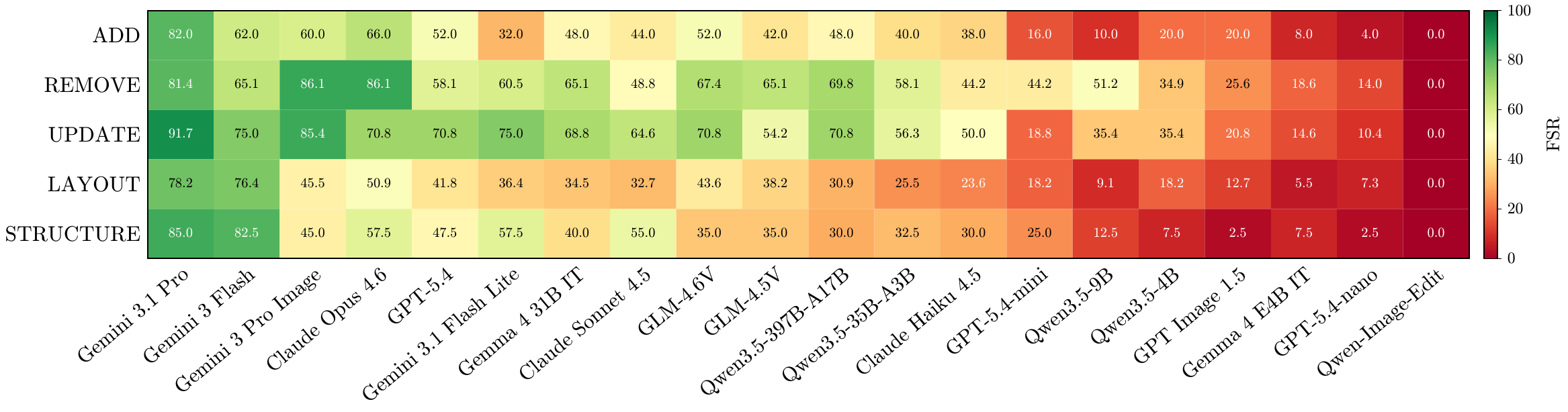
Local edits such as REMOVE and UPDATE score high for many models, while LAYOUT and STRUCTURE edits are much harder, especially for weaker models. Failures there come from misreading the target, its spatial relationships, or the intended scope of the edit, and from failing to ground them in the right part of the source code.
More operations, lower scores
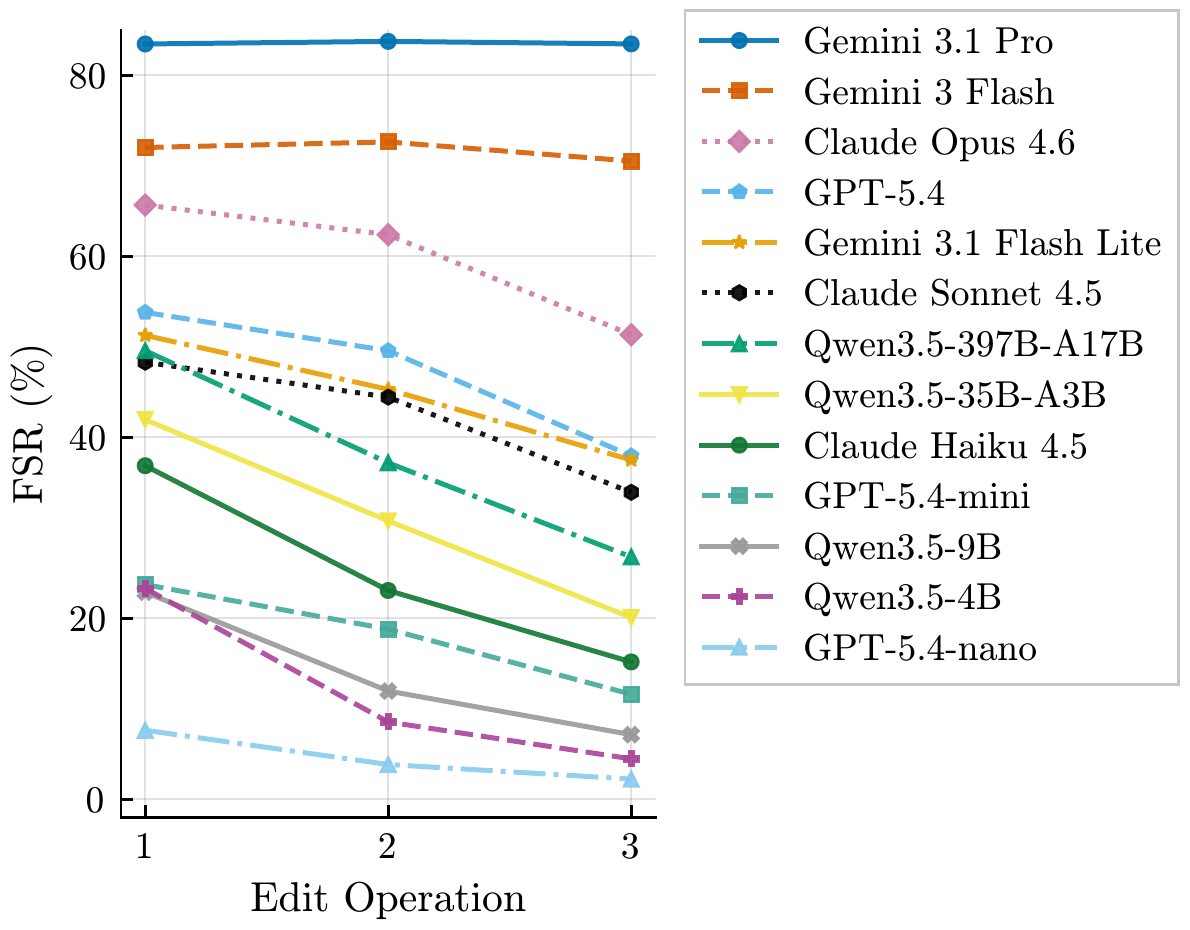
FSR generally falls as the number of edit operations grows. Gemini 3.1 Pro and Gemini 3 Flash change little.
The source code matters most
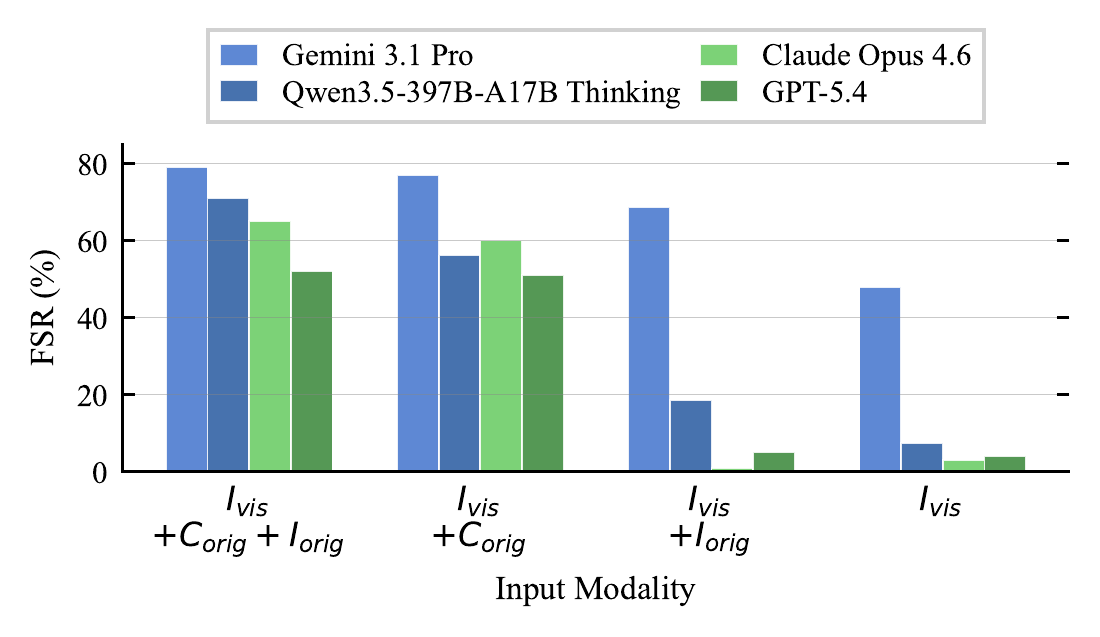
Removing the original TikZ code Corig causes the largest drop. Inferring and editing TikZ from the image alone remains difficult.
Visual instructions are harder to follow than text
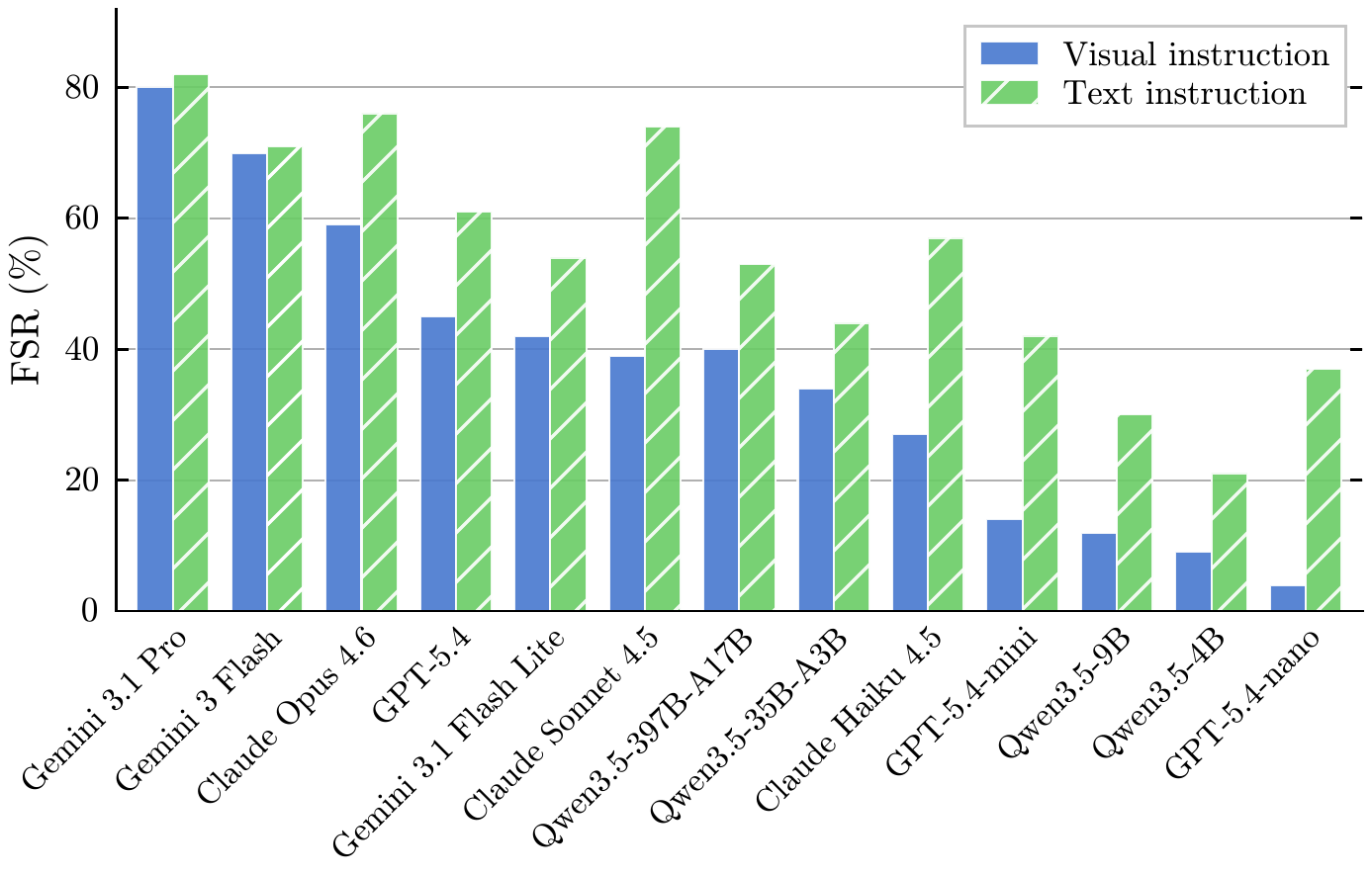
Textual instructions beat visual ones for every model, though the gap narrows for stronger models. The model has to infer the target and scope from the annotations itself.
Editing code beats editing pixels
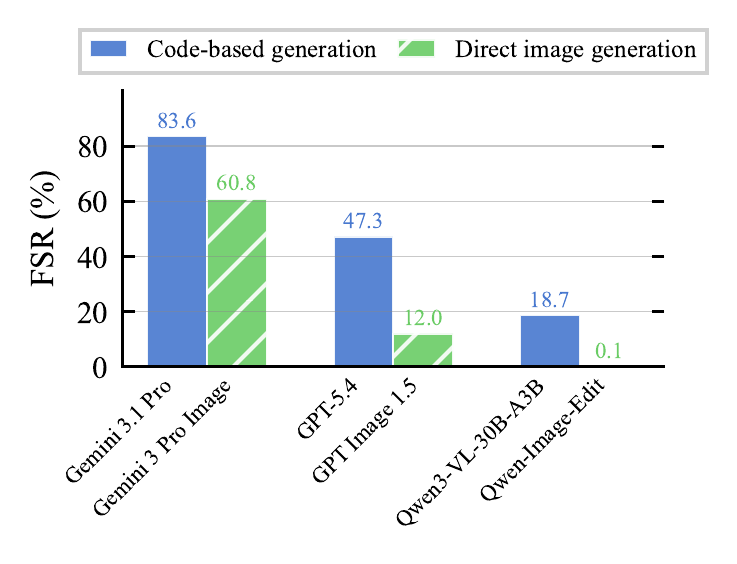
Code-based editing outperforms direct image editing within each model series. Gemini 3 Pro Image reaches 60.8 FSR, versus 12.0 for GPT Image 1.5 and 0.1 for Qwen-Image-Edit.
Verbalizing the visual instruction helps
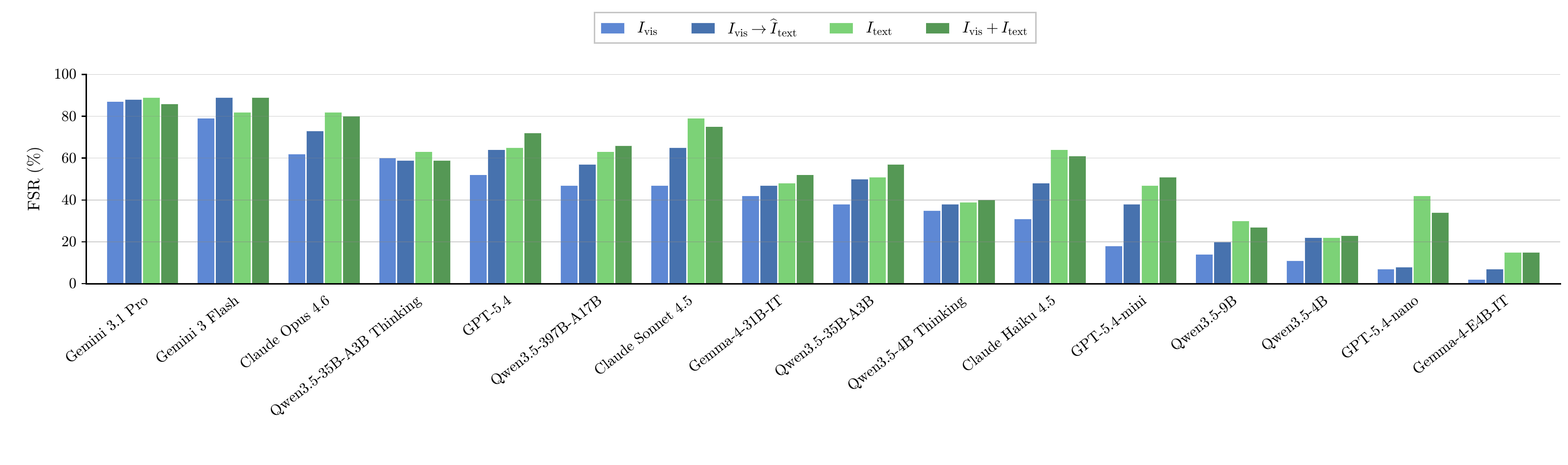
Having the model first describe the visual instruction in text (Ivis → Îtext) improves FSR over Ivis alone in 15 of 16 model configurations. Gold textual instructions still do better overall.
Qualitative Examples
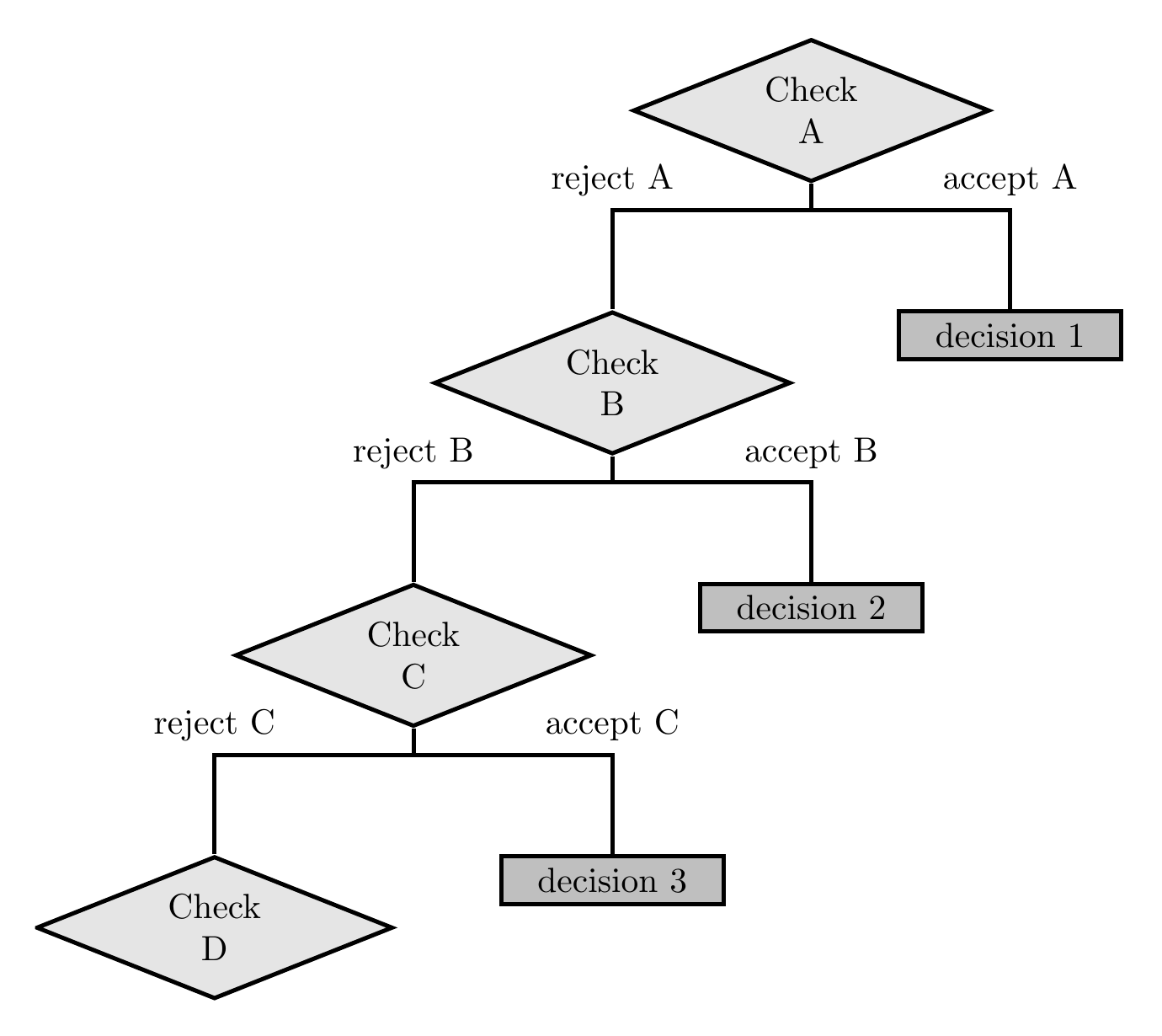
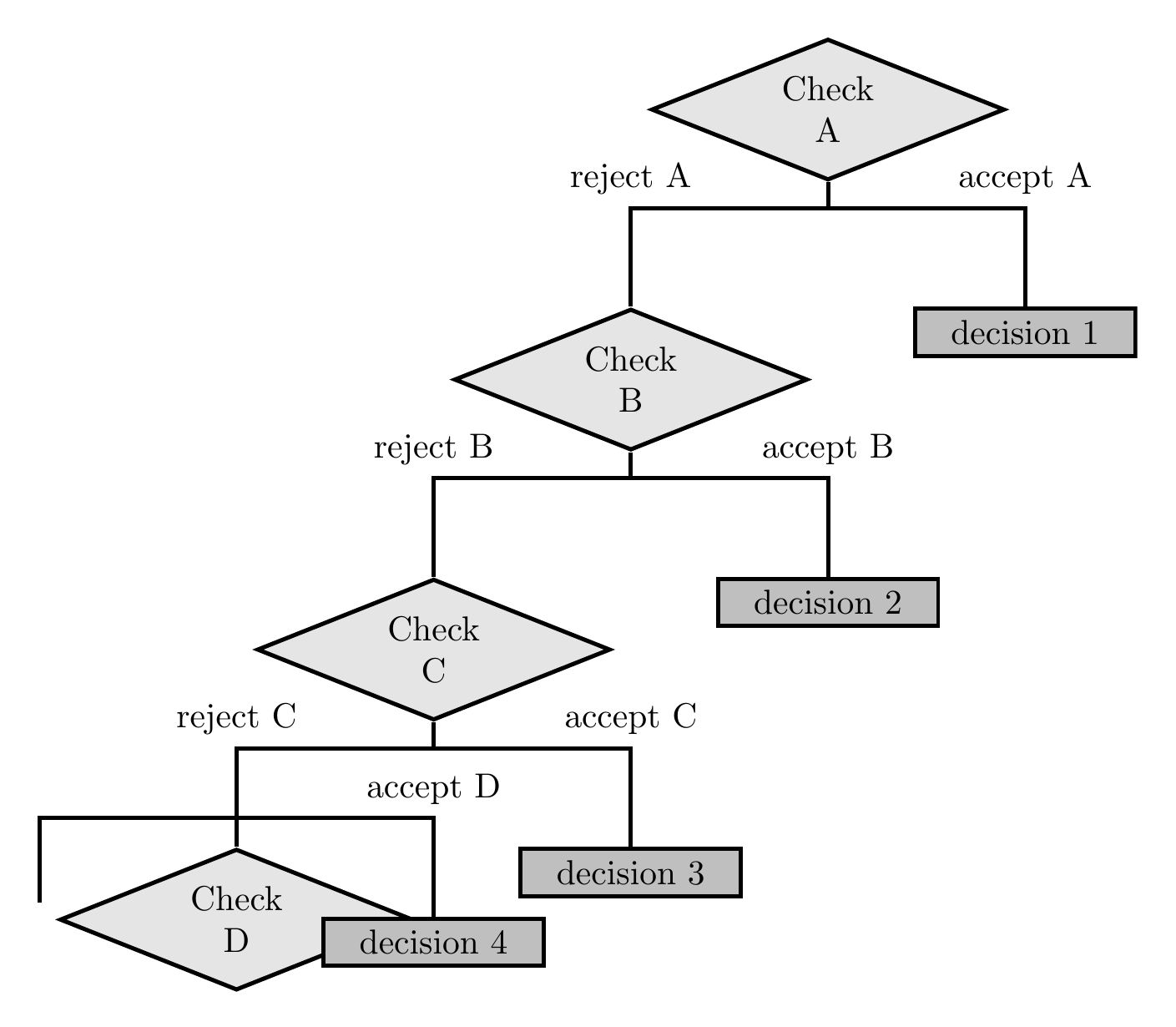
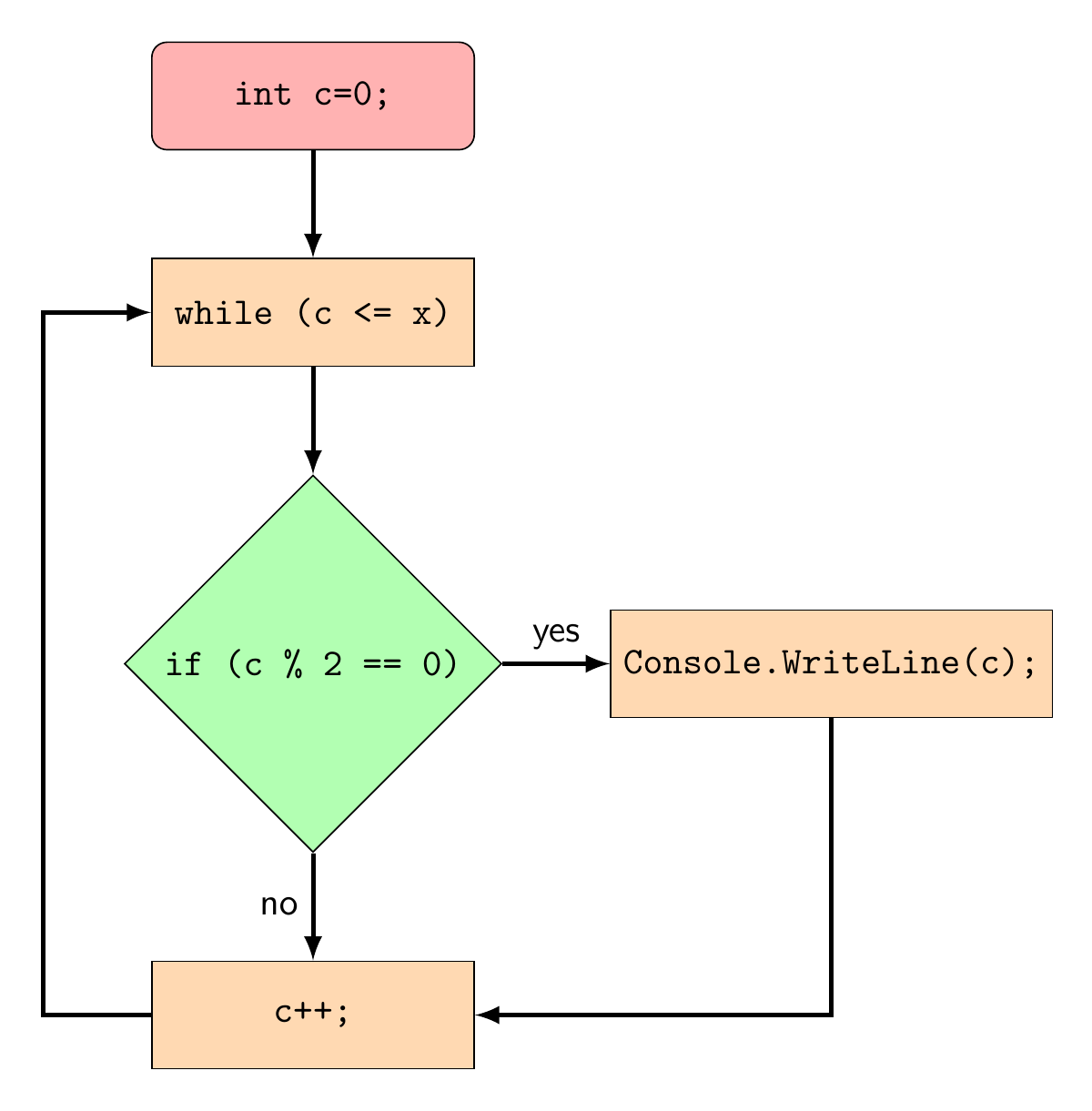
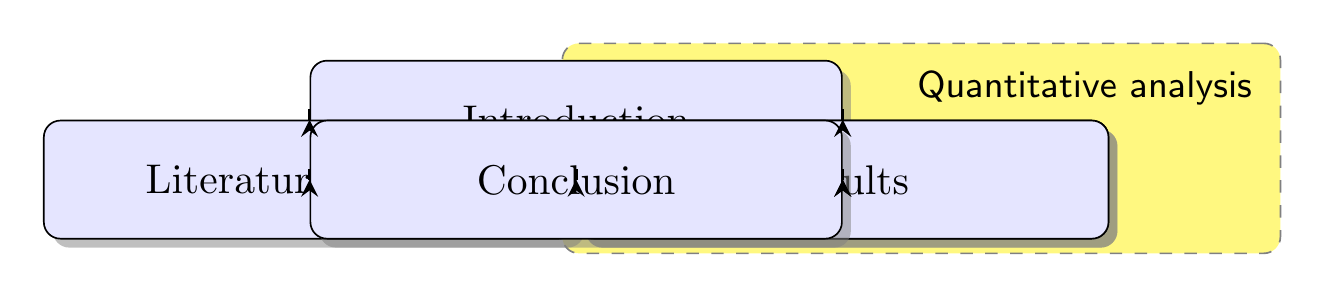
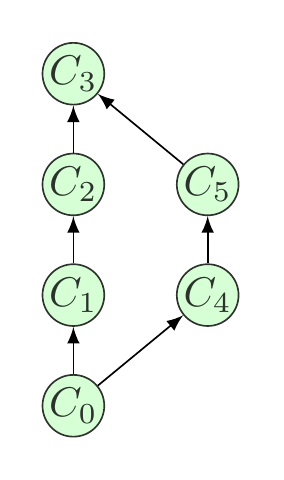
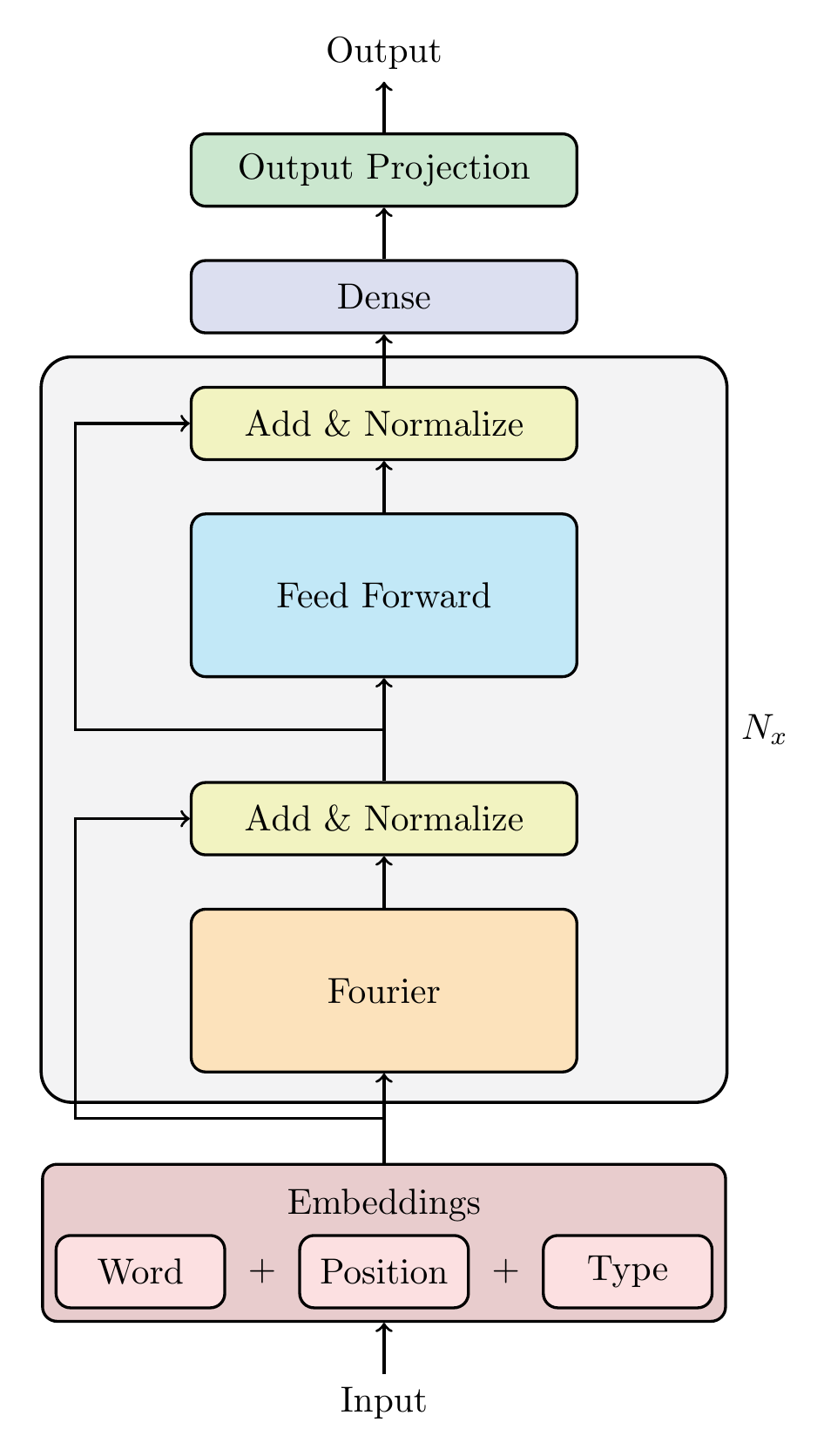
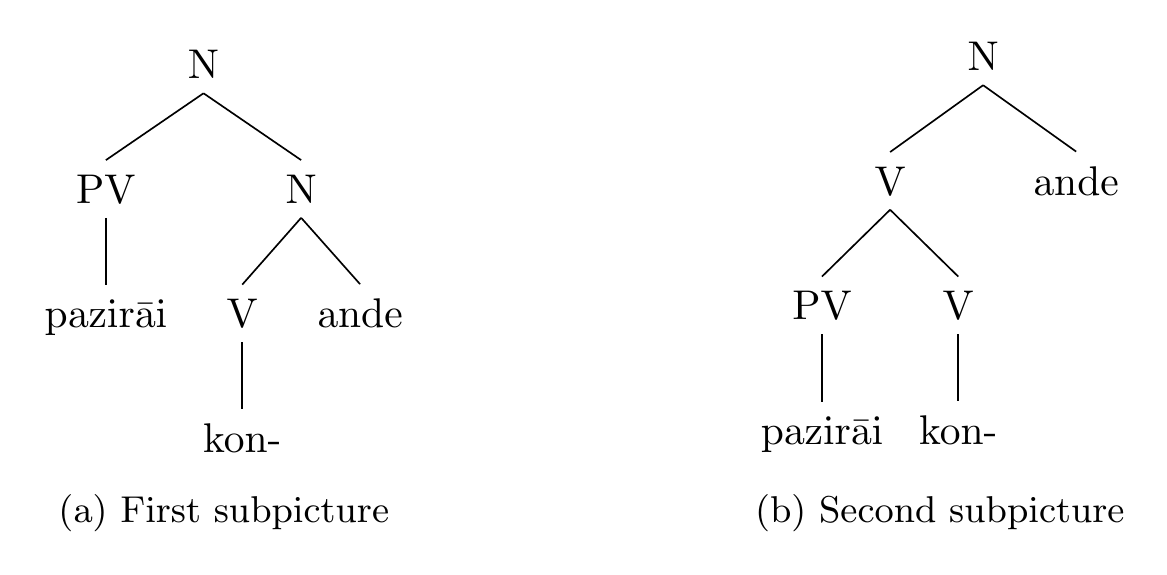
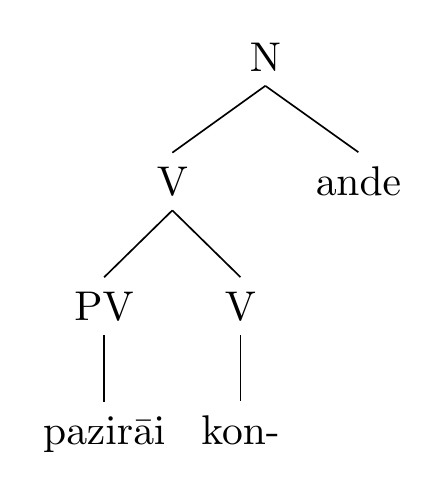
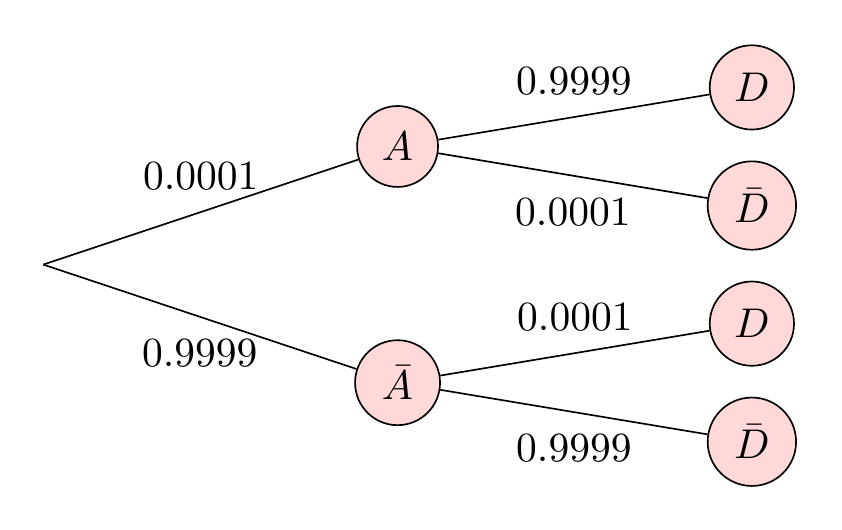
Successful and failed model edits for each edit type.
BibTeX
@inproceedings{taneguchi2026viseditbench,
  title={{VisEditBench}: A Benchmark for Vector-Format Diagram Editing with Visual Instructions},
  author={Taneguchi, Akito and Yoshida, Haruto and Suzuki, Jun and Saito, Itsumi},
  booktitle={Advances in Neural Information Processing Systems (NeurIPS), Evaluations and Datasets Track},
  year={2026}
}
Acknowledgements
This work was supported by JST PRESTO Grant Number JPMJFR242S, JST BOOST Grant Number JPMJBY24E3, and JSPS KAKENHI Grant Number 24K20829. We thank BAOBAB Inc. for their contributions to the manual validation of generated editing instructions and edited diagrams, as well as the annotation of visual instructions. We would also like to express our sincere gratitude to the members of the Tohoku NLP Group for their invaluable advice and support throughout this research. This study was carried out using the TSUBAME4.0 supercomputer at Institute of Science Tokyo.